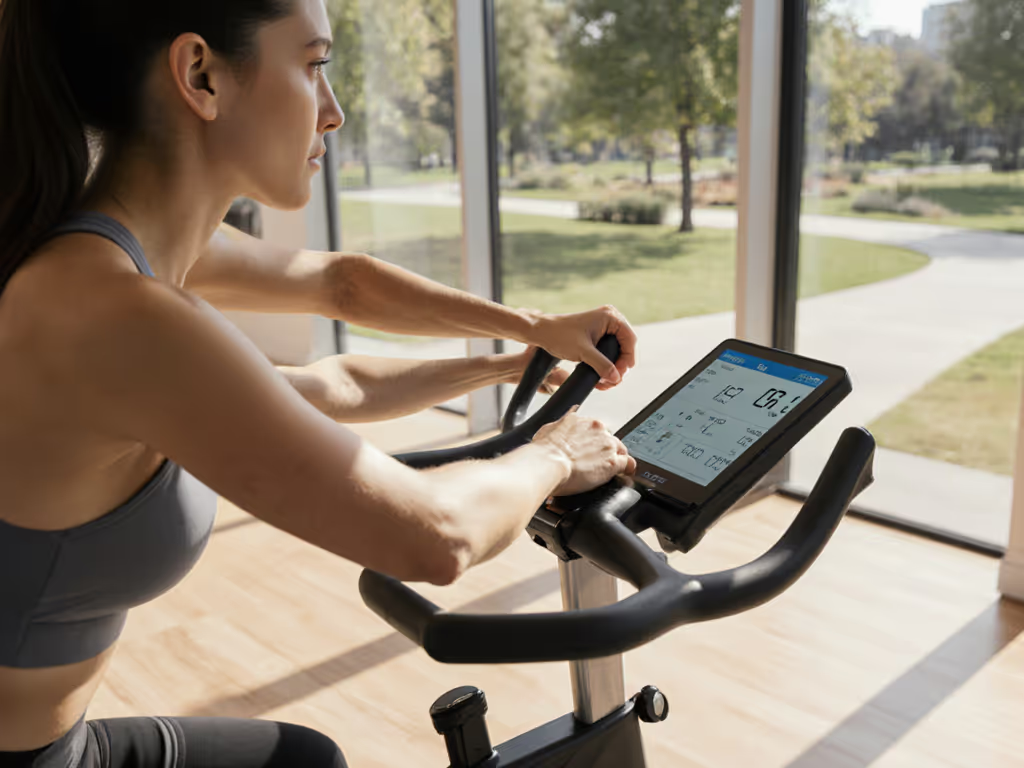
Nutrition for Cycling Workouts: Timing Guide
By Marta Kowalska • 2nd Nov
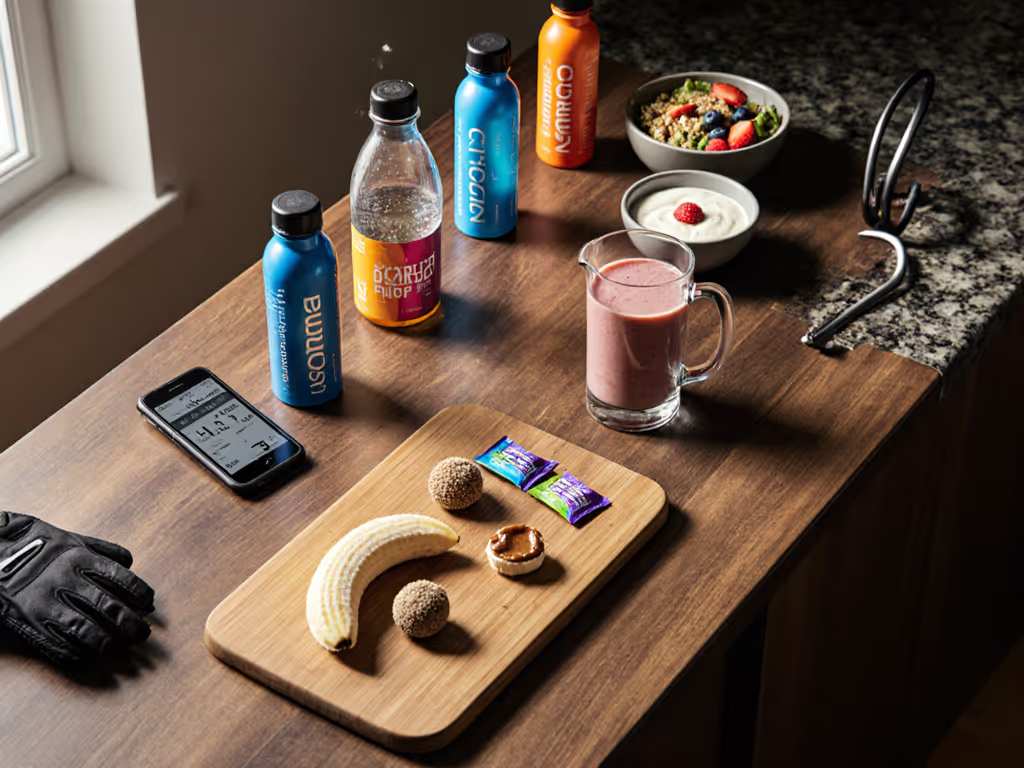
When a friend's smart bike arrived buzzing like a malfunctioning hive, we discovered it wasn't the electronics, but the neglected maintenance of simple components. Similarly, many cyclists overlook the precise maintenance of their most critical performance system: their body. Proper nutrition for cycling workouts and strategic exercise bike meal timing function like the torque specs and service intervals of your bike, they're not optional extras but fundamental requirements for smooth operation. Ownership includes the right to repair, document, and upgrade your body on your terms, just as with your equipment. Fix first, then decide if upgrade money is deserved.
FAQ: Pre-Ride Nutrition Timing
How does timing differ for indoor vs outdoor cycling sessions?
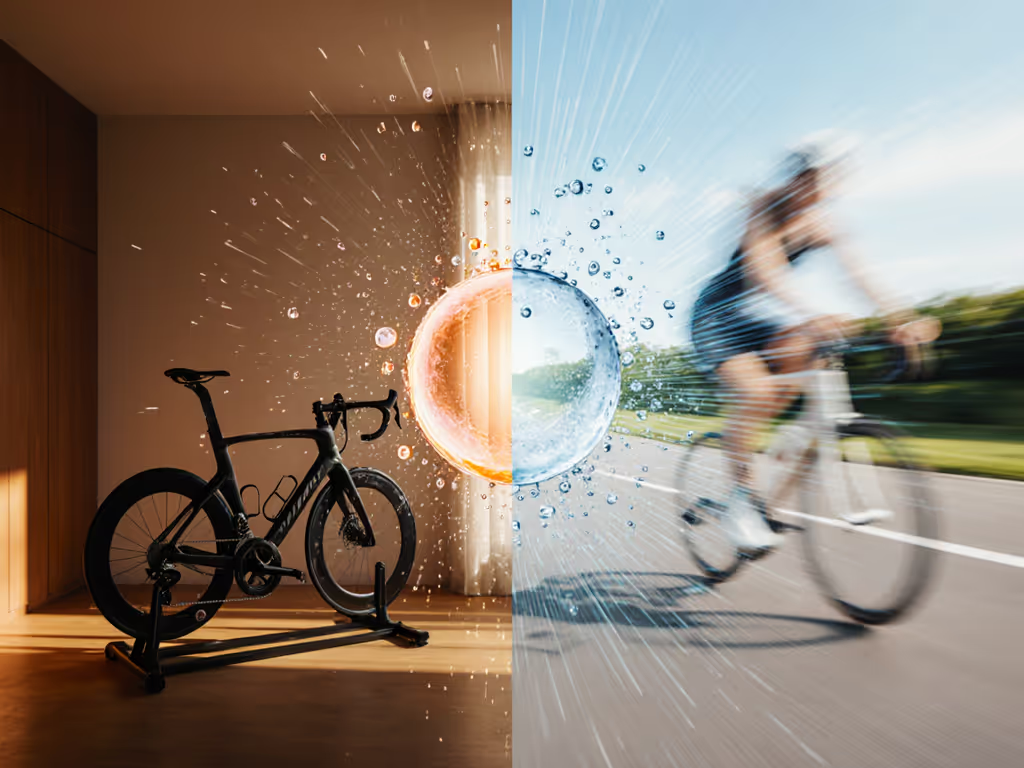
Indoor cycling creates unique thermal and metabolic demands that require methodical adjustments to your pre-ride nutrition strategy. Unlike outdoor riding where you benefit from natural cooling, indoor sessions generate significant heat buildup, often requiring 15-20% earlier fueling to compensate for increased physiological stress.
A standard 45-60 minute moderate-intensity session requires 30-45g of easily digestible carbohydrates consumed 60-90 minutes pre-ride. For high-intensity interval training (HIIT), increase to 50-60g consumed 90-120 minutes pre-ride to allow sufficient gastric emptying. This timing prevents the "bonk" while avoiding the discomfort of exercising with a full stomach, which is critical when you're constrained by apartment living and noise-sensitive environments. If you're planning all-out intervals at home, consider our ultra-quiet HIIT exercise bikes to keep intensity high without waking the household.
Standard fasteners save futures, so do standard approaches to nutrition timing.
Should I modify my pre-ride nutrition based on time of day?
Absolutely, and this requires evidence-based adjustments. Morning riders often contend with lower liver glycogen stores after overnight fasting. For 60+ minute sessions starting before 9 AM, consume 1.0-1.5g of carbohydrates per kilogram of body weight 2-3 hours pre-ride. This differs significantly from afternoon/evening sessions where glycogen stores are typically replenished.
Cortisol levels naturally peak in the morning, increasing protein breakdown, making morning sessions particularly dependent on concurrent protein intake. For the urban commuter squeezing in pre-work rides, a 20g protein + 40g carb blend consumed 90 minutes pre-ride significantly reduces muscle protein breakdown compared to carb-only approaches.
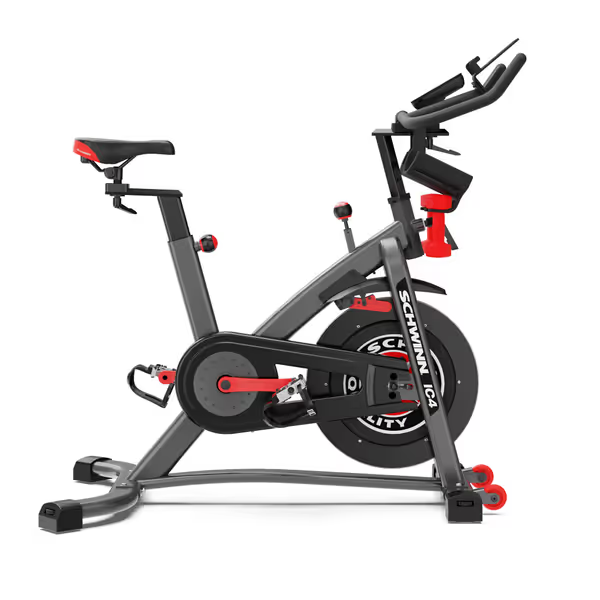
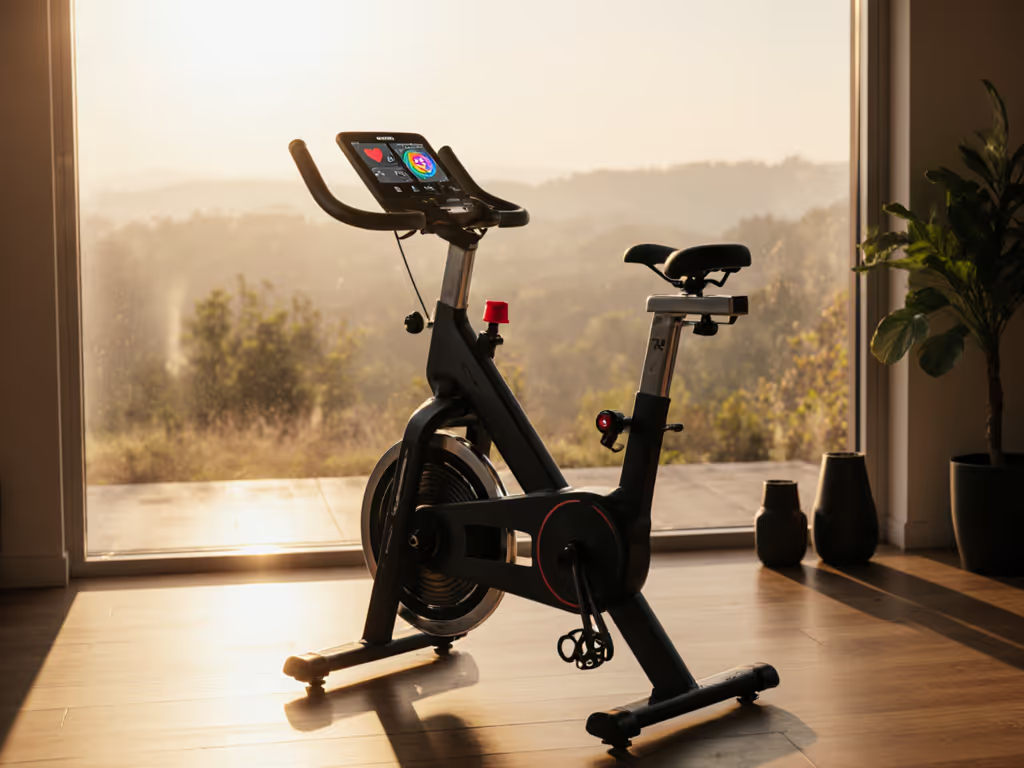
Schwinn Fitness IC Indoor Cycling Bike Series
App-compatible indoor bike with magnetic resistance & smooth ride.
$799
Magnetic Resistance Levels100 Micro-Adjustments
Magnetic Resistance Levels100 Micro-Adjustments
Pros
Open-ecosystem: Use with Peloton, Zwift, JRNY & more.
Smooth, quiet ride (user reports vary).
Sturdy build, easy assembly, good value.
Cons
Inconsistent noise levels reported.
Heavy-duty and easy to assemble, with a smooth ride and adjustable features.
Heavy-duty and easy to assemble, with a smooth ride and adjustable features.
FAQ: During-Ride Fueling Strategy
How does carb cycling with exercise work for different ride durations?
Carb cycling with exercise follows precise physiological thresholds:
- Rides under 60 minutes: Generally require no additional fueling if pre-ride nutrition was adequate
- 60-90 minute sessions: 30g carbohydrate hourly
- 90-150 minute sessions: 45-60g carbohydrate hourly
- 150+ minute sessions: 60-90g carbohydrate hourly using dual-source carbs (glucose:fructose 2:1 ratio)
The gut's ability to absorb carbohydrates increases with training, much like how regular maintenance improves your bike's performance envelope. A 2023 study confirmed that cyclists who trained their gut with progressive carbohydrate loading increased absorption rates by 28% within 4 weeks. For structured session ideas that pair well with these fueling targets, try our beginner exercise bike routines.
What's the optimal hydration for cycling during indoor sessions?
Indoor cycling demands more aggressive hydration strategies than outdoor riding due to reduced evaporative cooling. For every hour:
- Consume 500-750ml of fluid containing 400-700mg sodium
- Include 4-8% carbohydrate solution (4-8g per 100ml)
- Add 100-200mg magnesium to prevent cramping
Measure your sweat rate methodically: weigh before and after a 60-minute session in similar conditions. For each pound lost, you need to replace 20-24oz of fluid. This tool-specific approach prevents both dehydration and dangerous over-hydration, which is critical when your "ride environment" might be a carpeted apartment at 5 AM. To optimize that environment for airflow, noise, and convenience, see our quiet, compact home bike setup guide.
FAQ: Post-Ride Recovery Optimization
How soon should I consume post-ride recovery meals after indoor cycling?
The urgency of post-ride recovery meals depends on your interval between sessions:
- <8 hours between sessions: Consume 1.2g carbohydrate/kg + 0.4g protein/kg within 30 minutes
- 8-24 hours between sessions: Window expands to 2 hours
- >24 hours between sessions: Total daily nutrient targets become more important than immediate timing
For masters athletes (45+), shift toward the more urgent timeline regardless of recovery window. Research shows diminishing returns on the "anabolic window" myth for single-session recovery, but the glycogen resynthesis timeline remains physiologically critical, particularly for those training multiple days consecutively.
What should ideal post-ride recovery meals contain for apartment-dwellers?
Safety-first recovery nutrition prioritizes quick, quiet preparation compatible with shared living spaces:
- 30g whey protein isolate (faster absorption than whole foods)
- 75g carbohydrate from low-fiber sources (white rice cakes, dextrose)
- 5g creatine monohydrate (enhances glycogen resynthesis by 60%)
- Electrolyte blend (sodium, potassium, magnesium)
This combination works whether you're riding a budget-friendly stationary bike or a high-end model (no subscription required). The evidence-based approach delivers results without requiring culinary expertise or noisy kitchen operations that might disturb roommates or neighbors. Pair your recovery nutrition with targeted pre- and post-ride stretching drills to reduce soreness and improve next-session readiness.
Final Considerations: Ownership of Your Nutrition System
Just as I favor modular bike designs with standard fasteners and published service manuals, your nutritional approach should be transparent, repairable, and under your complete control. The most effective nutrition for cycling workouts isn't found in proprietary formulas or mandatory subscriptions, it is built through methodical experimentation with your own physiology.
Consider your nutritional strategy as part of your bike's maintenance schedule. To quantify improvements, use our guide to exercise bike metrics explained so your tracking actually informs fueling decisions. Both require:
- Regular calibration (tracking performance metrics)
- Preventive maintenance (consistent baseline nutrition)
- Targeted repairs (strategic timing for specific sessions)
When friends ask whether they should invest in expensive recovery supplements, I always say: standard approaches save results. Your body, like your bike, rewards consistent, evidence-based care more than flashy upgrades. Document your nutrition experiments as carefully as you would a service log, and you'll develop a personalized system that performs reliably session after session.
Want to test these principles? Track your pre-ride nutrition timing, hydration, and post-ride recovery for three weeks while maintaining consistent training intensity. Note how small adjustments impact your energy levels, recovery speed, and overall performance, much like documenting the torque specs when you service your bike's components.
Related Articles