Exercise Bike Perimenopause: Hormonal Adaptations
By Hyejin Park • 7th Mar
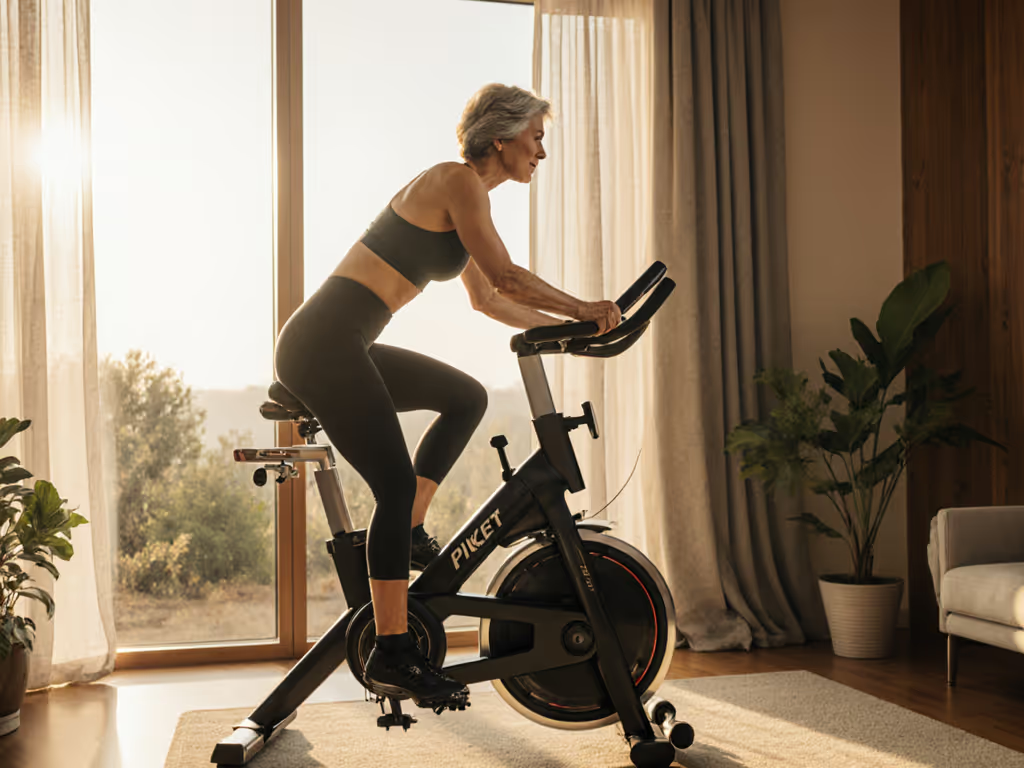
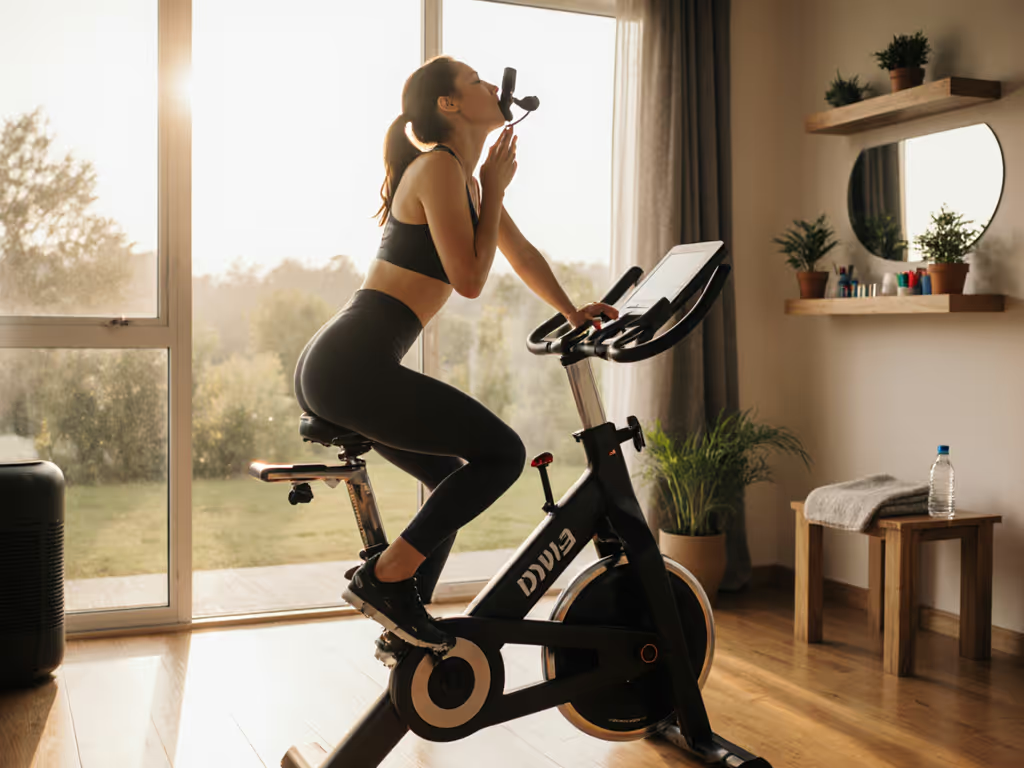
Exercise bike perimenopause training requires more than standard protocols, your body is navigating significant hormonal shifts that fundamentally alter how you recover, generate power, and sustain effort. Cycling for menopause transition works exceptionally well when you understand the physiology underneath and adjust your approach accordingly. Here are the questions I hear most, backed by what the science actually shows.
What Hormonal Changes Affect My Cycling Performance?
The primary culprit is declining oestrogen[1]. This hormone does more than regulate your cycle, it directly supports Type 2 muscle-fibre maintenance by encouraging muscle turnover and protein synthesis while limiting muscle breakdown. As oestrogen drops during perimenopause, several cascading effects emerge:
Faster muscle loss: You tend to lose more Type 2 (fast-twitch) fibres proportionally than Type 1 fibres[1]. These fast-twitch fibres are responsible for explosive power (the kind you need for sprints or quick accelerations).
Slower recovery: Research shows post-menopausal women take roughly 20% longer to recover from comparable workouts than pre-menopausal women, accompanied by elevated inflammatory markers[1]. This doesn't mean you're weaker or less committed; it means your connective tissues genuinely need more time to adapt.
Altered fuel utilization and temperature regulation: Your body's ability to regulate core temperature shifts, which can amplify perception of effort and affect how you fuel during rides[5].
These changes are common and linked to hormonal biology, not fitness loss or willpower[5]. For tailored strategies across your cycle, see our menstrual phase cycling guide.
Why Is Cycling Particularly Well-Suited for Perimenopause?
Cycling offers a rare combination: high-intensity training capacity without the joint trauma that compounds recovery demands. Unlike running, which taxes joints and connective tissues continuously, cycling is low-impact while still biasing your quads and glutes[1].
This matters because your joints need recovery time, especially if you're also doing heavy strength training (the 5-7 rep range, which should be part of your programme)[1]. Cycling gives those tissues rest while still delivering cardiovascular benefit and, critically, the muscular stimulus to preserve fast-twitch fibres.
Additionally, cycling addresses multiple menopausal symptoms simultaneously[2][3]. Regular cycling relieves hot flashes and night sweats, improves mood and sleep quality by stimulating endorphin production, and boosts cardiovascular fitness (crucial, since cardiovascular disease is the leading cause of death in women)[2]. It also strengthens bone tissue by stimulating new bone formation, helping counteract density loss[3], and improves posture and balance, reducing fall risk as you age[2].
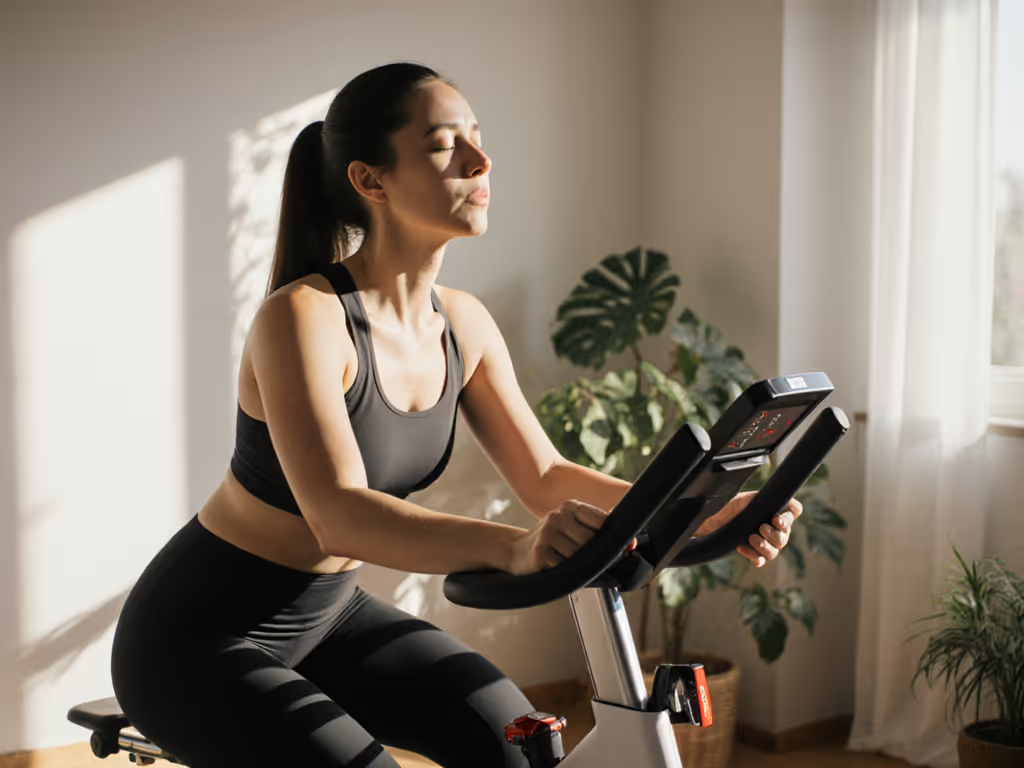
Comfort and adjustability are performance multipliers at home.
Which Training Protocol Should I Follow During Perimenopause?
The evidence points to sprint intervals as the most efficient approach for preserving Type 2 fibres and hormonal markers[1]. Sprinting activates and stimulates fast-twitch fibres, teaching your neuromuscular system to stay fast and powerful. A single all-out 30-second sprint triggers a larger growth-hormone spike in women than in men, and growth hormone is critical for muscle building[1].
The time commitment is surprisingly modest. Pressed for time? Try our 5-minute REHIT bike protocol for a science-backed alternative. You don't need daily sprinting; just once or twice weekly for 15-20 minutes delivers equivalent or better outcomes compared to hours on a treadmill[1].
A Practical Sprint Protocol
Here's a checklist-driven session structure:
- Warm-up: 5 minutes at an easy cadence and zero resistance
- Work intervals: 16 rounds of 15-second all-out sprint followed by 45 seconds to 1 minute easy cycling at zero resistance
- Cool-down: 5-10 minutes easy
Over time, apply progressive overload: increase sprint duration, decrease recovery time, or add more rounds[1]. Small tweaks, big wins.
For Longer, Steady Rides
Not every session needs to be high-intensity. Many riders benefit from adjusting training intensity, prioritizing recovery work, and building in strength training alongside cycling[5]. A mixed approach (one or two sprint sessions weekly plus one or two longer, moderate-effort rides) balances adaptation stimulus with recovery need.
How Do I Adjust My Bike Setup for Perimenopause-Specific Needs?
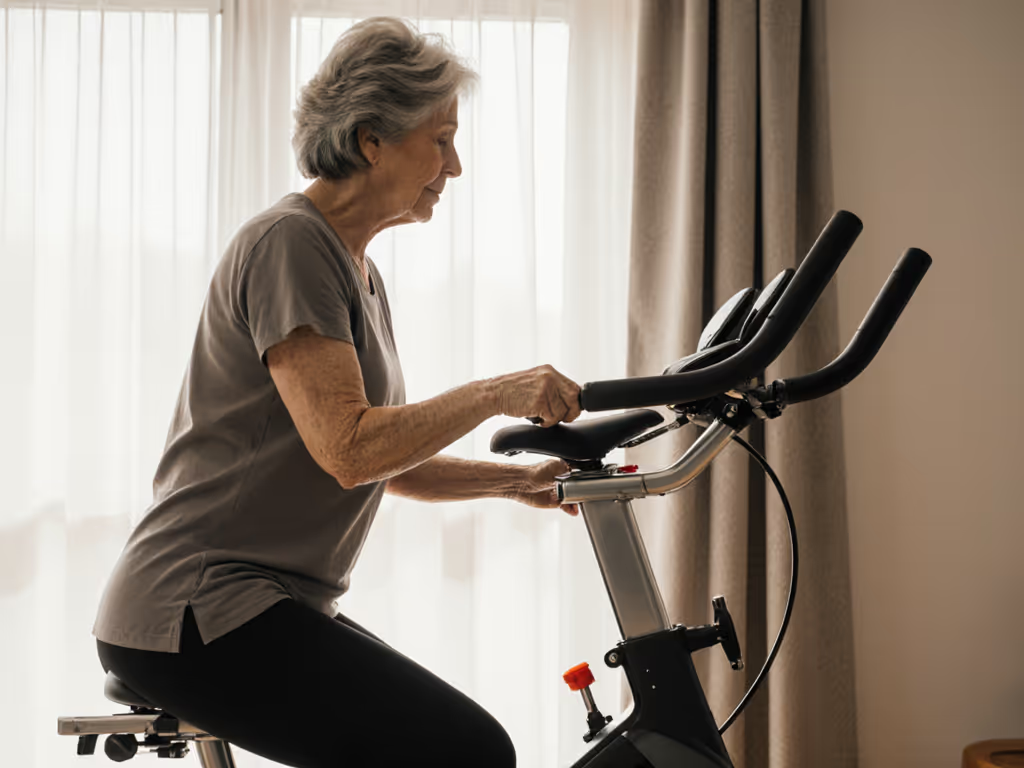
This is where my background as a home-cycling ergonomics specialist becomes critical. During perimenopause, discomfort (especially at contact points) can feel magnified. Changes in muscle composition, skin elasticity, and inflammatory state alter how your body responds to pressure. A setup that worked five years ago may no longer serve you.
Measurement Checklist
Saddle height: Measure from the centre of your pedal axle to the top of the saddle. When your leg is fully extended at the bottom of the pedal stroke, your knee should have a slight bend, roughly 25-30 degrees of knee flexion. This protects your knee joint and optimizes power transfer. Use a simple smartphone video: film your legs from the side, pause at bottom dead centre, and check the angle.
Saddle fore-aft position: Measure the horizontal distance from the saddle nose to the bottom bracket. A neutral starting point is roughly 5-7 cm forward of the bracket. If you experience knee pain during rides, sliding the saddle backward slightly shifts load away from the kneecap. If you feel excessive glute fatigue, moving it forward can help. Make 1 cm adjustments and ride for 3-5 sessions before re-measuring.
Handlebar height and reach: Many perimenopausal riders report wrist and neck discomfort that didn't exist before. This often signals postural strain. Ensure your handlebars are at or slightly above saddle height, reducing forward lean. For step-by-step fit checks, follow our exercise bike setup guide. Measure the horizontal distance from your seat to the handlebar grip (typically 30-50 cm depending on frame size and flexibility).
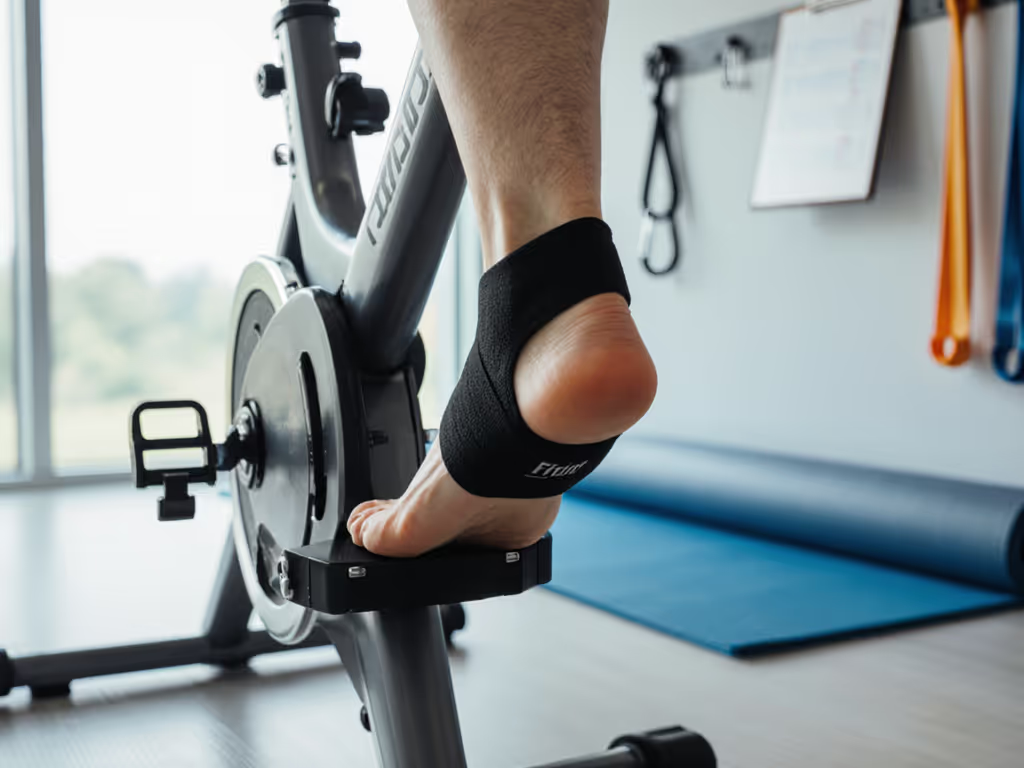
Contact point surfaces: If your current saddle causes numbness or pressure, don't just accept it. Saddle pressure relief becomes more noticeable during hormonal transition because skin and tissue density shift. Consider a cutaway or wide, cushioned design. Test it over a week of rides before committing.
Multi-User Adjustability
I once hosted a family of five (riders from 4'11" to 6'3") on a single bike to stress-test adjustability. We timed changeovers, logged knee angles, and marked adjustment posts with tape. The youngest beat the changeover time, but the real insight was comfort consistency: when every user could dial in stable micro-adjustments without slipping posts or wobbling stems, adherence jumped. Everyone rode more because setup friction disappeared.
If you share your bike or plan to later, prioritize:
- A seatpost with reliable, micro-incremental height adjustment (not just a loose collar)
- Handlebars with a stable collar that doesn't rotate under load
- Pedals that accommodate different shoe sizes without adaptation
How Should I Fuel and Hydrate Differently During Perimenopause?
Your metabolism has slowed, but your training demand hasn't[3]. During high-intensity efforts (sprints), prioritize easily digestible carbohydrate: 30-60 grams per hour for rides over 60 minutes. For shorter sprint sessions (20 minutes), water and electrolyte suffice.
Hydration is especially critical because your thermoregulatory system is less efficient[5]. You may feel thirstier or overheat faster even on the same session you could tolerate pre-menopause. Drink 400-800 mL per hour depending on ambient temperature and intensity.
Post-ride, prioritize protein (20-30 grams) within 30 minutes to support muscle repair, especially after sprint sessions[1]. Get specifics on fueling windows and macros in our cycling nutrition timing guide.
What Recovery Adjustments Matter Most?
Slower recovery doesn't mean inadequate recovery (it means intentional recovery). Expect that a hard sprint session may elevate inflammatory markers for 24-48 hours rather than 12-24. Adjust your schedule accordingly:
- Avoid stacking multiple hard efforts within 48 hours
- Prioritize sleep: 7-9 hours nightly supports muscle protein synthesis and hormonal regulation
- Consider active recovery rides: 20-30 minutes at 50-60% max heart rate on a day between hard sessions
- Strength training should happen on separate days from sprint sessions when possible, allowing different physiological systems recovery time
What's My Next Step?
Start with a single measurement: saddle height. Use the 25-30 degree knee-bend test during your next ride. Log the measurement (in cm from pedal axle to saddle top) and note how your knees feel for the following week. Once that's stable, address fore-aft position.
Next, add one sprint session weekly: the 5-minute warm-up, 16 × (15 seconds hard / 45-60 seconds easy) protocol. Track how you feel 24 and 48 hours later. Notice recovery quality and mood. After 3-4 weeks, you'll have genuine data on whether this intensity aligns with your current physiology.
Finally, measure your contact points. Saddle pressure, wrist numbness, or neck tension often resolve with 1-2 cm shifts or a different saddle model (not through willpower).
The hormonal changes of perimenopause are real, but they're navigable. Comfort and adjustability unlock adherence and performance far more than any headline watt number ever will.
Related Articles