Optimize Cycling Workouts By Menstrual Phase: Hormonal Guide
By Diego Santos • 8th Dec
Understanding your menstrual cycle's phases unlocks smarter cycling workouts. By aligning your rides with natural hormonal shifts, you gain energy efficiency and sustainable progress, no drastic overhauls needed. Quiet setup, quiet mind: this low-friction approach builds consistency by matching effort to your body's rhythms.
How do menstrual phases impact cycling performance?
Hormones dictate your energy availability:
- Estrogen peaks in follicular/ovulation phases, boosting endurance and power output
- Progesterone dominates the luteal phase, increasing perceived exertion and fatigue
Cycling adaptations:
| Phase | Hormonal Shift | Cycling Recommendation |
|---|---|---|
| Menstrual | Low hormones | Gentle recovery rides |
| Follicular | Rising estrogen | Endurance/base building |
| Ovulation | Estrogen/testosterone | High-intensity intervals |
| Luteal | Progesterone dominant | Moderate tempo/maintenance |
What are phase-specific cycling strategies?
Menstrual phase (Days 1-5)
- Prioritize restorative movement: 60-70% max heart rate This pairs well with our Zone 2 training guide.
- Flat terrain or indoor cycling at conversational pace
- Focus on mobility drills off-bike
Follicular phase (Days 6-14)
- Capitalize on rising energy for:
- Longer endurance rides (2+ hours)
- Hill climb repetitions
- Cadence drills (90-100 RPM)
- Progressive resistance increases
Ovulation phase (~Day 14)
- Peak performance window for: To choose the right intensity cues, see our watts vs heart rate comparison.
- Maximal sprints (30-90 seconds)
- FTP tests
- Race simulation efforts
- High-cadence neuromuscular work
Luteal phase (Days 15-28)
- Reduce intensity to 70-80% max effort
- Maintain frequency with shorter rides (45-60 mins)
- Include recovery spins after intense blocks
- Hydration focus: add electrolyte tabs Dial in fueling with our nutrition timing guide for cycling.
How do I implement this without friction?
App-agnostic tracking
- Use free cycle charts (paper/digital)
- Sync wearable data to privacy-respecting apps like Strava
- Set three default workouts per phase: Not sure what to plug in? Try these beginner-friendly bike routines.
- Low-intensity recovery
- Moderate endurance
- High-intensity option
Noise-conscious gear
- Rubber mat under stationary bikes dampens vibration
- Belt-driven bikes (Schwinn IC4) offer near-silent operation
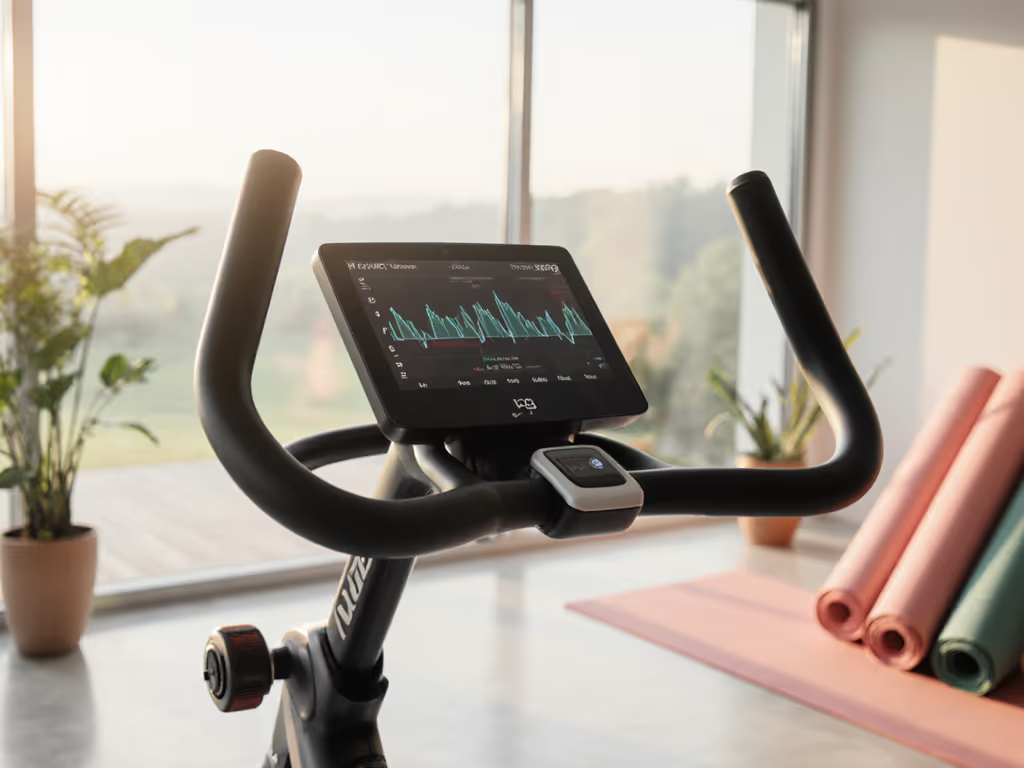
- Tablet-only displays avoid loud consoles
Small-space solutions
- Wall-mounted bike storage
- Roller wheels for quick repositioning
- Micro-adjustable handlebars accommodate shared setups
What if my cycle is irregular?
Focus on biofeedback instead of dates:
- High-energy days: Match to follicular/ovulation workouts
- Fatigue days: Follow luteal guidelines
- Track symptoms in 3 categories: energy, cramps, motivation
How does this approach support long-term goals?
By honoring hormonal fluctuations:
- Reduces injury risk from pushing through fatigue
- Prevents burnout with built-in deload weeks
- Yields 32% greater strength gains versus constant training
Related Articles