Cycling for Parkinson's: Balance, Tremor & Rigidity Relief
By Diego Santos • 6th May
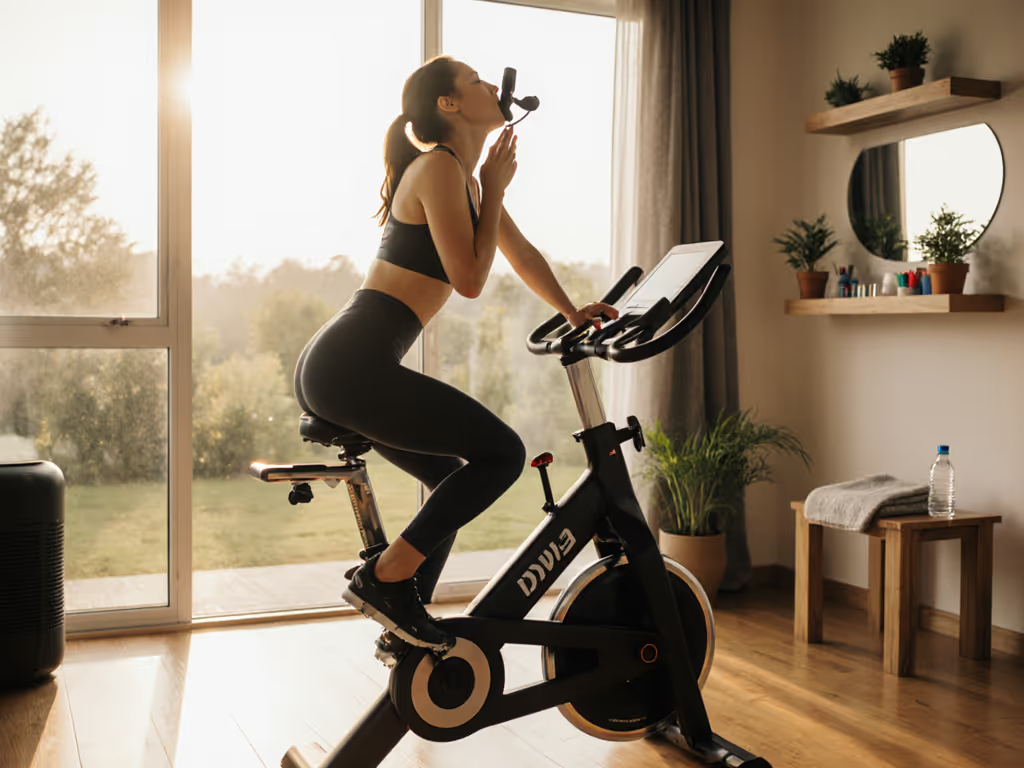
If you're exploring ways to manage Parkinson's symptoms, cycling for Parkinson's disease and using an exercise bike Parkinson's management routine can feel like a quiet revolution. Research from Cleveland Clinic and peer-reviewed meta-analyses confirms what many riders with Parkinson's have discovered: consistent, steady pedaling rebuilds motor control, steadies the tremor, and reclaims balance in ways that feel almost effortless. The secret isn't a fancy machine or an app subscription. It's a simple, repeatable rhythm.
Let's dig into the most common questions, and the science behind why this works.
How Does Cycling Actually Help Parkinson's Symptoms?
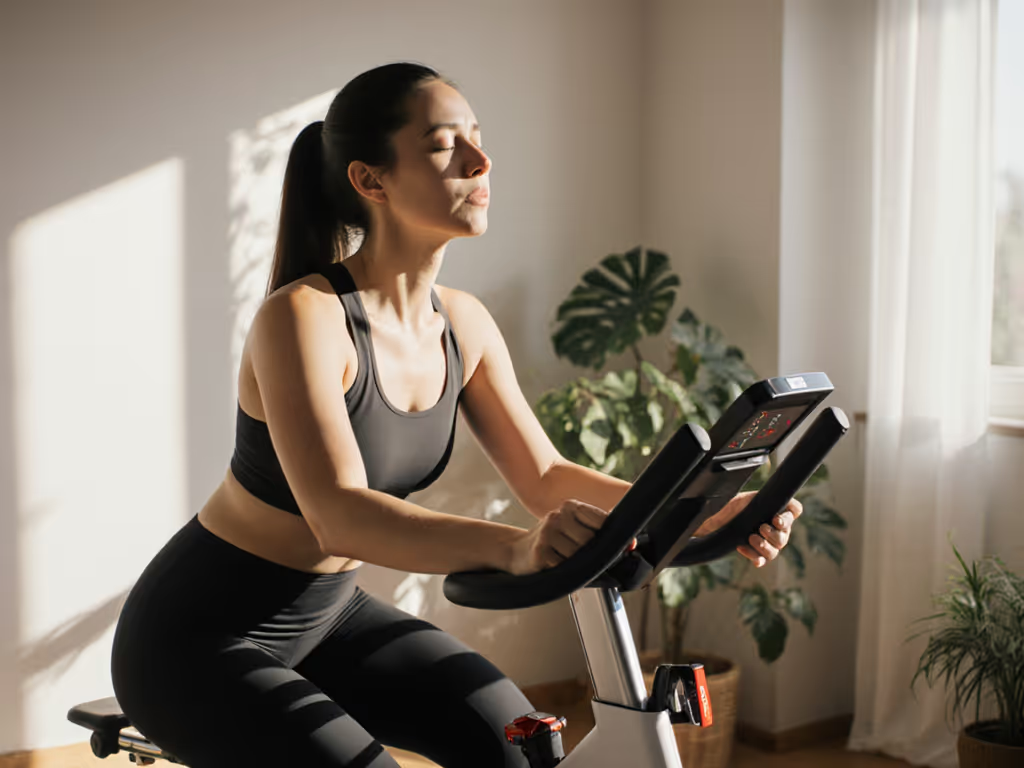
Cycling engages your brain and body in a dual conversation. When you pedal, your legs move in a rhythmic, automatic loop. That rhythm signals your brain to sync movement with the cadence. For someone with Parkinson's, whose motor circuits have grown sluggish, this external rhythm acts like a gentle metronome, resetting the brain's timing without requiring active, conscious effort. This neuroplasticity effect from cycling for Parkinson's is measurable: studies tracking gait biomechanics show that eight weeks of regular stationary cycling normalizes walking speed and stride, reducing fall risk and improving coordination and balance.
Tremor softens because the pedal rhythm occupies the same neural pathways that fire the shake. Rigidity eases as sustained pedaling warms muscles and signals motor neurons to fire in sequence rather than stiffly. Balance improvement protocols documented in clinical trials show gains not just on the bike, but in everyday walking, the real win.
The mechanism? Your cerebellum (the balance and rhythm center) and basal ganglia (the movement planner) are being re-engaged through repetition. Consistency beats complexity here: your nervous system rewards quiet frequency far more than heroic one-off efforts.
Do I Really Need a High-Tech Bike or a Subscription App?
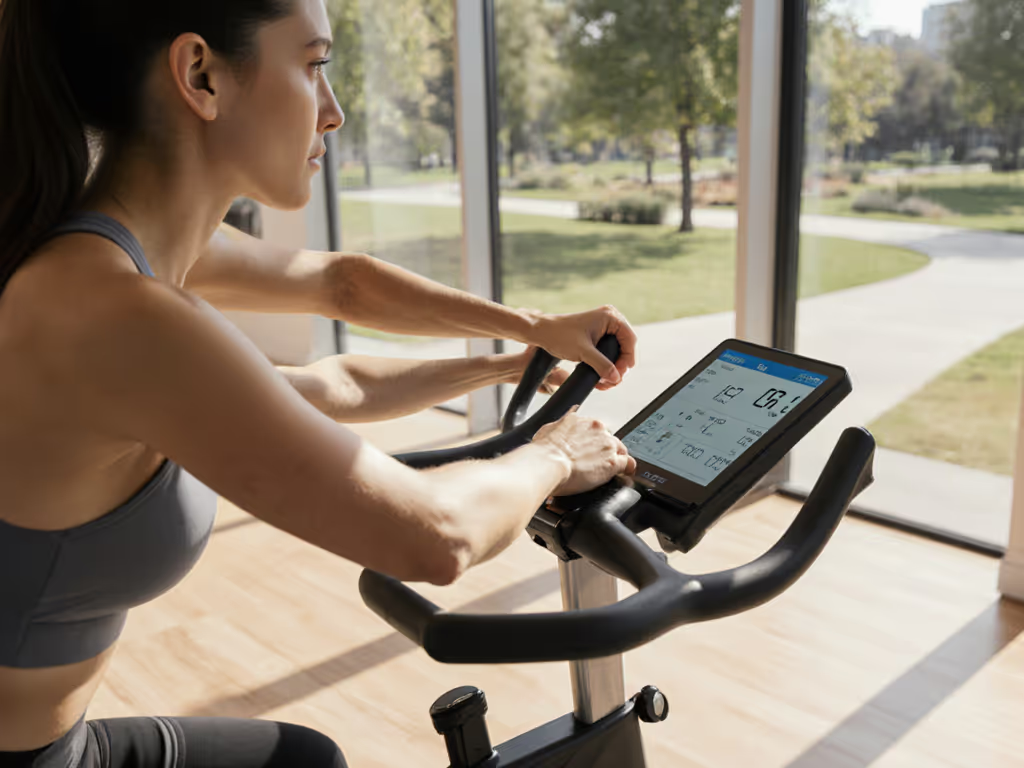
No. This is where the science and the setup align beautifully. Research showing benefits used humble stationary bikes (many recumbent, some upright) paired with timers and simple tracking, no algorithms required. You don't need Bluetooth, cadence sensors, or cloud storage to ride with intention. If you're deciding between bike styles, see our upright vs recumbent comparison for comfort, noise, and stability differences.
What you do need is:
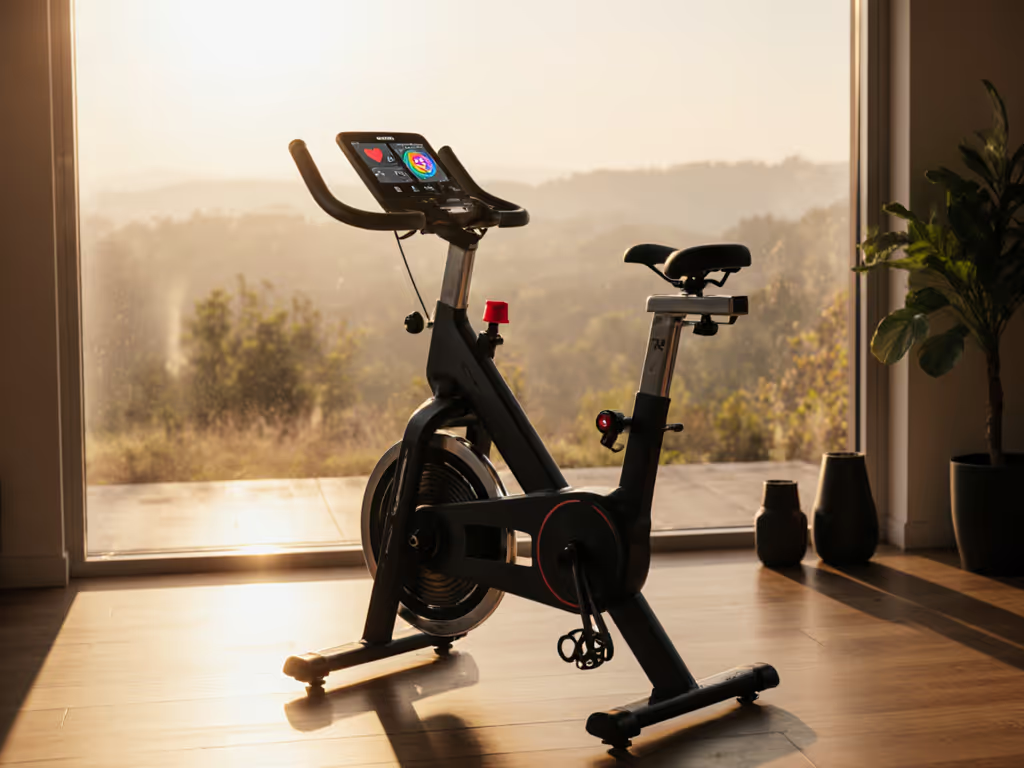
- A bike that stays level and quiet (so you'll actually use it in a small space without waking a partner or neighbor)
- A way to time your ride and count your sessions (a kitchen timer, a notebook, or a free app like Apple Health or Strava)
- Three default workouts, same day, same time, same bike, so your brain knows what to expect
Defaults beat willpower. If you remove decisions about when and what, you remove friction. That friction is why many riders stall. My neighbor trained for years with nothing but a tablet showing a clock and one preset cadence. Four quiet weeks in, he had a streak. He never needed the premium tier.
What Cadence Should I Aim For?
The evidence points to tremor reduction cycling and rigidity management cycling via steady, moderately brisk pedaling, roughly 60-80 revolutions per minute (RPM). For the physiology behind RPM choices, read our cadence science guide. Some research hints that higher cadences (pushing toward 90+ RPM) may engage motor-recovery pathways more strongly, but consistency matters far more than intensity. A rider who pedals at 70 RPM three times weekly beats one who sporadically sprints at 100.
Start where it feels natural, not hard, not easy. Your goal isn't a personal record. It's to establish a rhythm your nervous system recognizes and relies on. Over weeks, as your control improves, that cadence may rise naturally. Let it, but don't force it.
How Often and How Long Should I Ride?
Three sessions per week, 20-30 minutes each, is the sweet spot from most study protocols. Use our 30-day cycling plan to lock in consistency without overthinking it. Eight weeks is the minimum time to see measurable changes in gait and balance, not days or two weeks.
This is not a quick fix. It's a habit loop. And habit loops thrive on low friction: if it takes ten minutes to set up, adjust, and start, you'll skip it on a hard day. If the bike sits ready and you've already pre-decided that Tuesday, Thursday, and Saturday mornings are ride days, you simply show up. No willpower tax.
Can I Ride Outdoors or Only Stationary?
Both work, but stationary cycling offers a crucial advantage: it removes balance demand from the equation, letting your nervous system focus purely on the pedal rhythm without the constant micro-corrections needed on a real road. That focus is where the motor gains happen.
Outdoor cycling is wonderful for mood and engagement, but it's technically harder. You are managing balance, steering, and terrain simultaneously. If you're new to Parkinson's exercise or have moderate rigidity, a stationary setup removes that cognitive and motor load. Once you've built a steady indoor routine and feel stronger, adding outdoor rides becomes a joy, not a hazard.
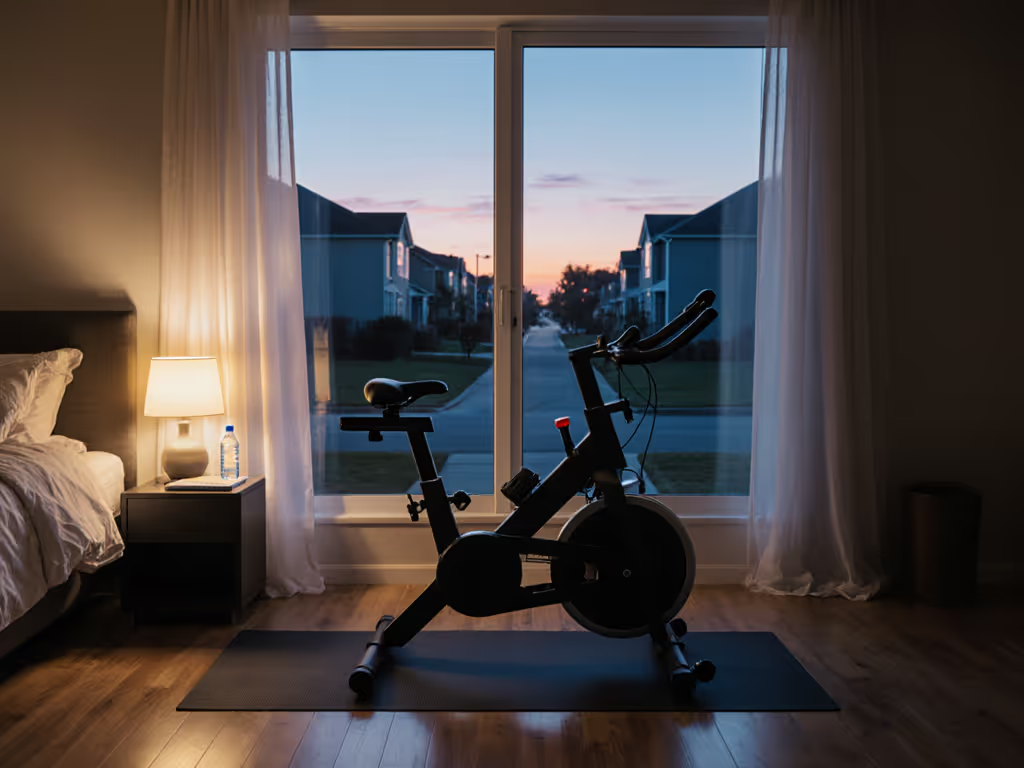
For small homes and apartments, a quiet, stable stationary bike is also your ally. No storage headaches, no weather delays, and zero noise complaints. Get room layout and vibration-control tips in our quiet home bike setup guide.
How Quickly Will I Notice a Difference?
Tiny wins arrive fast. Within a few days, you may sleep a bit better or feel less rushed in the morning. For timing and intensity that support deeper rest, see our cycling-for-sleep guide. By week two, tremor often quiets slightly, and balance feels subtly steadier, nothing dramatic, just easier. By week four, people around you may notice you're moving smoother; your gait lengthens a touch, and stairs feel less daunting.
The measurable improvements, the ones researchers capture in clinical trials, show up at six to eight weeks: walking speed gains, stride normalization, and documented balance improvements. But the real gift is the quiet consistency: you're building a practice, not chasing an endpoint. Compound the wins, and momentum builds.
Start small, stay quiet, and compound the wins.
When Should I Ride?
Choose a time when you're rested and your mind is calm. Early morning often works: fewer decisions, fewer household distractions, and the ride sets a calm tone for your day. Evening rides are fine too, though some riders find they're too energizing before bed.
More important than the clock is sameness. Your brain loves predictability. If Tuesday morning is bike time, your body and mind will begin to expect it, crave it, and you'll find yourself drawn to the bike without a pep talk.
What If I Haven't Exercised in Years?
Start exactly where you are. Stationary cycling is low-impact and low-stress on joints. Your first ride might be 10 minutes at a slow cadence. That's perfect. The nervous-system benefit comes from consistency, not heroics. Three 10-minute rides beat one 30-minute push that burns you out.
If you're uncertain, talk to your neurologist or a physical therapist. They can clear you and sometimes even help you dial in an initial cadence. But most people with mild to moderate Parkinson's tolerate stationary cycling beautifully from day one.
The Real Takeaway
Cycling for Parkinson's isn't glamorous. No races, no leaderboards, no forced intensity. It's a quiet, daily rhythm that tells your nervous system, "You can still move smoothly. You can still balance. You can still be strong." That message, repeated three times a week for weeks on end, is measurable neuroscience.
Set up a bike that's stable, quiet, and ready to go. Pick a cadence that feels natural. Choose three days and three times. Ride. Track it in a notebook. And let the silence and the repetition do their work.
The setup is humble. The effects compound. Defaults beat willpower, and momentum thrives when friction disappears.
Next Steps: Explore Further
If you're curious, reach out to local cycling studios or community centers (many now host Parkinson's-specific programs like Pedaling for Parkinson's, which blend coaching with peer support). You can also chat with your neurologist about a referral to a physical therapist who understands cycling as rehab. And if you're ready to buy or borrow a stationary bike, focus on quiet, stable models with adjustable seats and simple resistance, you don't need connected features to win here.
The research is clear. Consistency is everything. Start today, stay quiet, and let the rhythm rebuild what Parkinson's has slowed.
Related Articles