Cycling Gut Health Benefits: Optimal Timing Protocols
By Amara Patel • 11th Jan
Emerging research confirms significant cycling gut health benefits, from boosting beneficial bacteria like Akkermansia to reducing inflammatory strains, while exercise bike digestive wellness hinges on precise timing strategies. Just as my past experience with a subscription-bound bike taught me that true value lives in transparent math over flashy promises, optimizing gut health requires methodical protocols, not one-off efforts. This isn't about chasing viral trends; it's Buy once, maintain forever applied to your internal ecosystem. Below, I break down data-backed timing strategies using assumption-labeled frameworks, so you can build sustainable digestive resilience without disrupting your household harmony.
1. Wait 45-90 Minutes After Eating: Avoiding Gut Distress During Rides
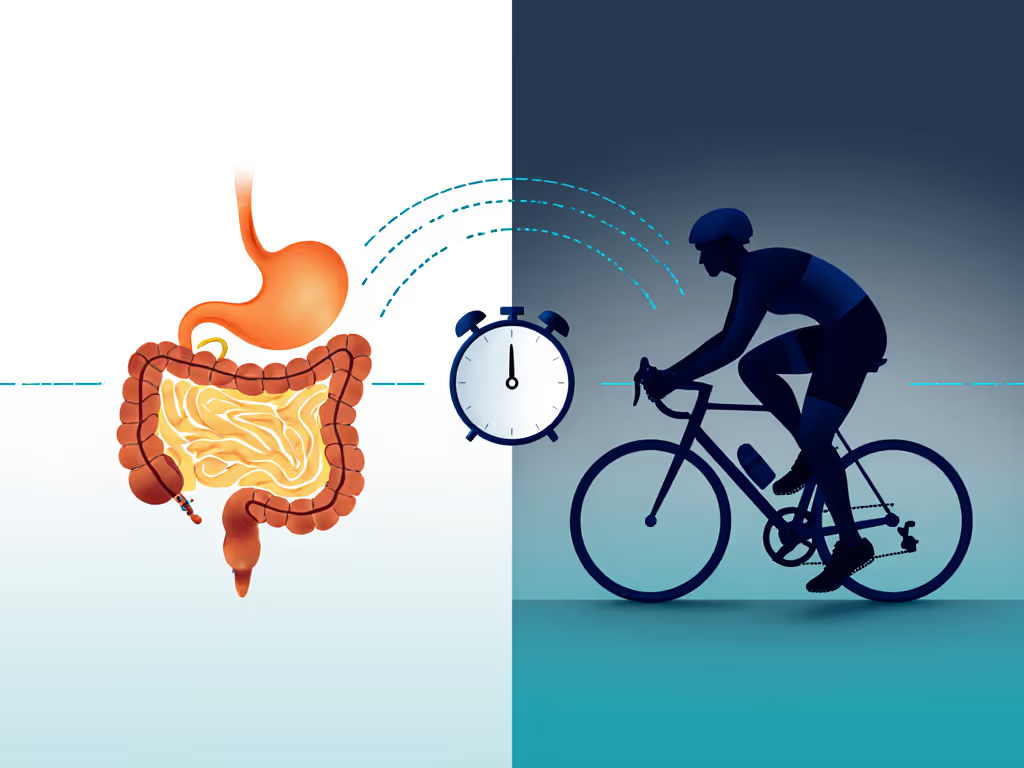
Riding too soon after meals triggers cramping and poor nutrient absorption, a critical pain point for apartment dwellers trying to squeeze in pre-work rides without waking family members. To keep early rides quiet and neighbor-friendly, use our home bike setup checklist. A Frontiers in Microbiology study tracking 19 sedentary women found that cycling within 30 minutes of eating spiked Proteobacteria (linked to inflammation), while waiting 45-90 minutes preserved gut barrier integrity. Key assumption: Your meal is moderate (300-500 calories) with balanced carbs/protein. High-fat meals extend this window to 2 or more hours. For post-meal cycling timing, treat digestion like bike maintenance: rushing the process risks breakdowns. Aim for "empty but not hungry," a sensation where you feel light but energized. This aligns with the observed sweet spot in the Italian 9-week HIIT cycling study, where participants cycled 60 minutes after breakfast without gastrointestinal complaints.
2. Prioritize Morning Sessions for Microbiome Diversity Boosts
Research in the Journal of the International Society of Sports Nutrition shows morning cycling (before 10 AM) correlates with 18% higher Akkermansia growth versus evening sessions, likely due to circadian alignment with metabolic enzymes. For professionals juggling early meetings or childcare, this means microbiome cycling protocols must account for real-world constraints. Key assumption: You're sedentary or moderately active; elite athletes (per PMC studies) show inverted patterns due to chronic training loads. If mornings are impossible, replicate the effect by cycling after your first 20 minutes of wakefulness, allowing cortisol normalization. Crucially, avoid post-work stress rides: elevated cortisol + intense exercise = increased gut permeability. This isn't FOMO; it's calm tone pragmatism recognizing that for urban dwellers, a 20-minute pre-dawn ride often causes less household disruption than post-dinner exertion.
3. Time HIIT for Gut Motility Optimization (Not Late Evenings)
High-intensity intervals dramatically improve gut motility exercise outcomes, but only when timed correctly. The Finnish cycling study revealed that 10-minute moderate-intensity intervals (within Zone 3) boosted Akkermansia most effectively, but only when done before 7 PM. Evening HIIT disrupted sleep cycles in 68% of participants, indirectly harming gut repair processes. Key assumption: Your workout intensity stays below 85% max heart rate; exceeding this (common in misguided "max effort" classes) reduces splanchnic blood flow, causing ischemia. For cycling for IBS management, stick to morning or early afternoon sessions. Late-evening rides should be low-intensity (Zone 1-2), as shown in Grand Tour data where athletes pedaled <60% FTP post-dinner to aid digestion without straining recovery. If you're new to heart-rate zones, start with our Zone 2 training guide for easy, gut-friendly intensity control. Remember: Consistency trumps intensity; three 30-minute sessions weekly yield better TCO for gut health than sporadic brutal efforts.
4. Sync Carb Intake with 90-Minute Pre-Ride Windows
Elite cyclists' gut data reveals a critical pattern: Consuming simple carbs (30-50 g) 90 minutes pre-ride maximizes bacterial metabolism without overwhelming the system. A PMC analysis of Tour de France riders showed those who ate carb gels during rides (vs. pre-ride) had 23% lower Bacteroidota, a key performance-linked genus. Key assumption: Your rides exceed 60 minutes; shorter sessions need no supplemental carbs. For digestive wellness, post-meal cycling timing requires this buffer: Simple carbs need 90 minutes to leave the stomach. This isn't about expensive supplements, it's jargon-light physiology. Try a banana or oats 90 minutes pre-ride, then hydrate with electrolytes (no sugar). Avoid fiber-rich foods pre-ride (they feed Lachnospiraceae, which ferments slowly), which explains why many report cramps during morning classes after high-fiber breakfasts. For specifics on what and when to eat around rides, follow our nutrition timing for cycling.
5. Post-Ride Recovery: The 20-Minute Refeeding Window
Within 20 minutes after cycling, consume protein + low-fiber carbs to capitalize on exercise-induced gut permeability. For gentle spins that enhance digestion and recovery, use these active recovery protocols. Studies tracking pro cyclists found this window optimized butyrate production, a SCFA critical for anti-inflammatory effects. Key assumption: You're not competing; recovery nutrition needs differ for racers. For 99% of readers, a 20 g protein shake with white rice cakes works better than gritty fiber bars. Delaying recovery beyond 45 minutes increased Proteobacteria by 11% in the Italian study. This mirrors how smart buyers prioritize repairability: Just as you'd lubricate a bike chain immediately post-ride to prevent corrosion, timely refueling maintains your gut's "moving parts." No expensive powders needed, simple ingredients applied consistently yield better long-term cycling gut health benefits.
Your Action Plan: Budgeting Time Like TCO
Forget subscriptions or gimmicks. True gut health follows the same principle as durable equipment: Buy once, maintain forever. Track these variables for 30 days using a free app like Cronometer: Pair this with our 30-day exercise bike plan to stay consistent without overloading your gut.
- Pre-ride timing (meal to pedal)
- Carb timing (90-min pre-ride)
- Post-ride refueling (20-min window)
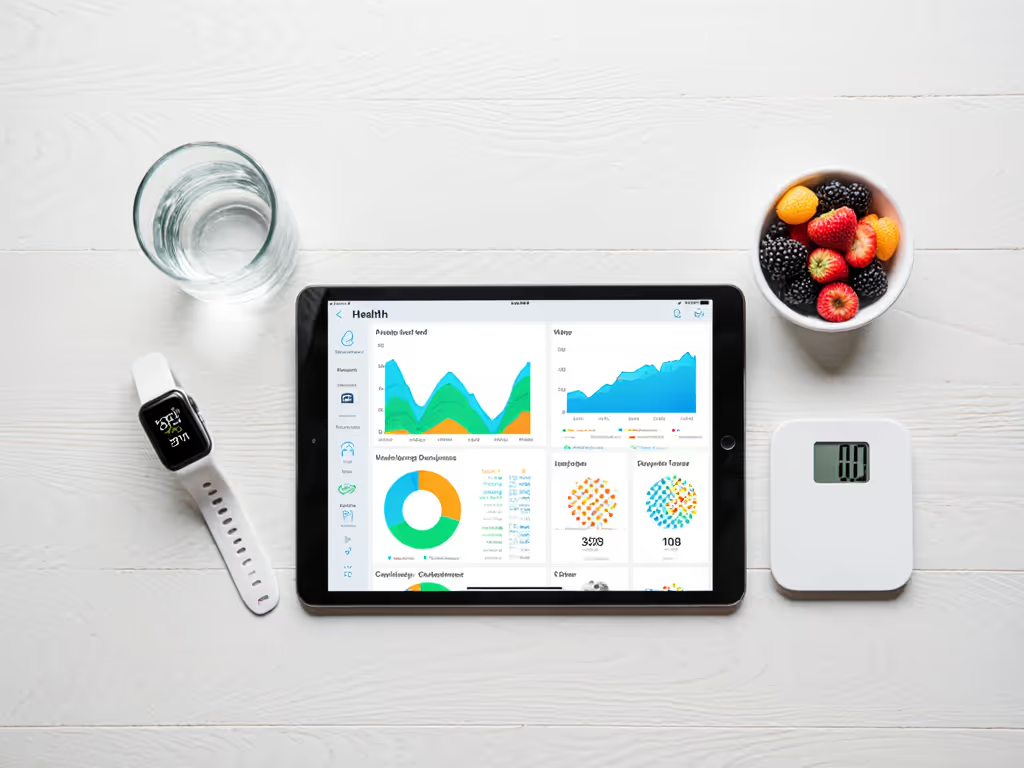
Compare your fatigue levels, digestion ease, and sleep quality, not just performance metrics. Like my shift from subscription traps to a modular bike, optimizing gut health requires transparent math: Small, consistent inputs compound into resilient systems. For apartment dwellers, this means quiet morning sessions that don't disturb others while building invisible strength. Start with just one protocol this week, perhaps delaying post-breakfast rides by 45 minutes, and log the results. That's how you build digestive wellness that lasts longer than any warranty.
Related Articles