
Cycling Boosts Brain Health: Neuroscience Explained
By Diego Santos • 26th Nov
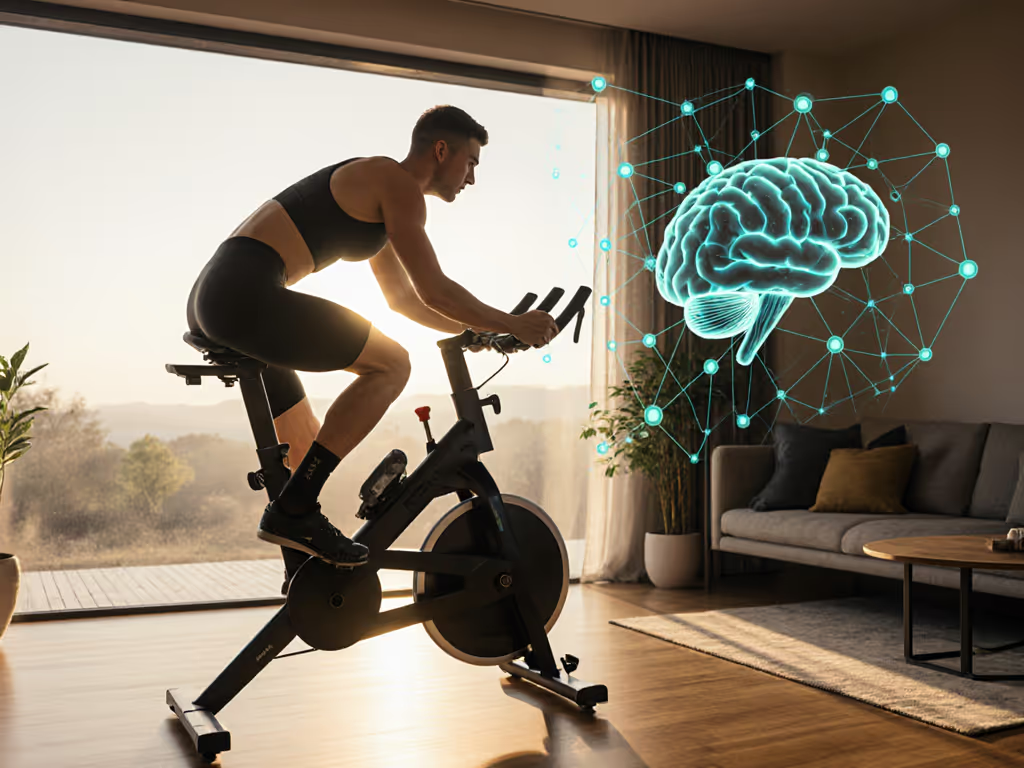
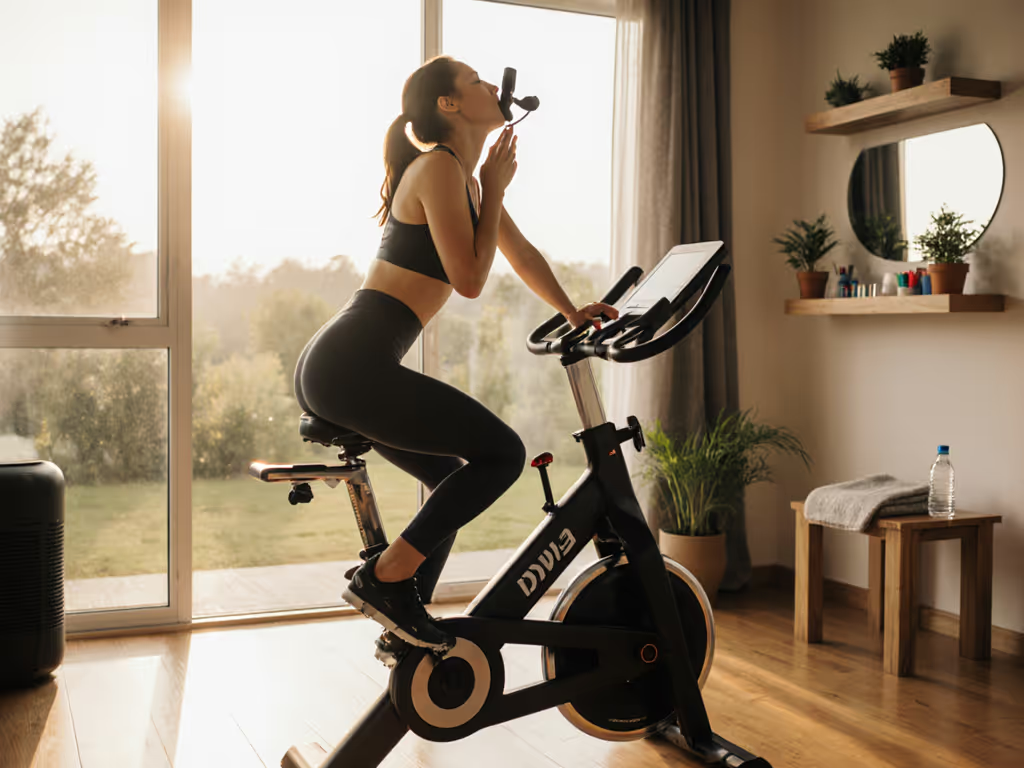
You've heard cycling is good for your heart. But the cycling brain health benefits run far deeper, right down to your neurons. New research reveals how even gentle sessions of stationary cycling reshape your brain for sharper thinking and long-term protection. And here's the best part: you don't need stadium lights or subscriptions to tap into it. Let's unpack what the science means for your quiet, consistent rides at home.
Start small, stay quiet, and compound the wins.
Why Your Brain Loves Pedaling (Even Indoors)
You might assume outdoor cycling wins for brain health. But studies like the eight-week trial in Psychology & Health show cognitive benefits of indoor cycling match outdoor gains when effort stays consistent. How? Aerobic movement, whether on a bike trainer or stationary bike, triggers three key changes: For the broader picture of cardiovascular, metabolic, and joint benefits, see our exercise bike health benefits guide.
- Blood flow boost: Oxygen-rich blood floods your brain, nourishing memory centers like the hippocampus.
- BDNF surge: Brain-derived neurotrophic factor (BDNF) acts like "fertilizer" for new neural connections. Cycling reliably spikes BDNF levels (critical for neuroplasticity through cycling).
- Stress buffer: Cortisol drops as endorphins rise, clearing mental fog after just 20 minutes.
The result? Better focus during your workday. Fewer "where did I put my keys?" moments. And, long term, stronger defenses against cognitive decline.
Cycling vs. Dementia: What the Data Shows
A landmark 44-year study tracking 1,462 women found high cardiovascular fitness (measured via cycling tests) linked to an 88% lower dementia risk. But you don't need Olympic effort. Recent JAMA Network Open research analyzing 44,801 adults revealed something practical: regular cycling as transport cut dementia risk by 19% versus driving or buses.
Why does pedaling beat walking here? Two reasons:
- Higher aerobic intensity without joint strain (key for apartment dwellers avoiding noise complaints)
- Dual-task engagement: Balancing, navigating, and pedaling simultaneously activate more brain regions
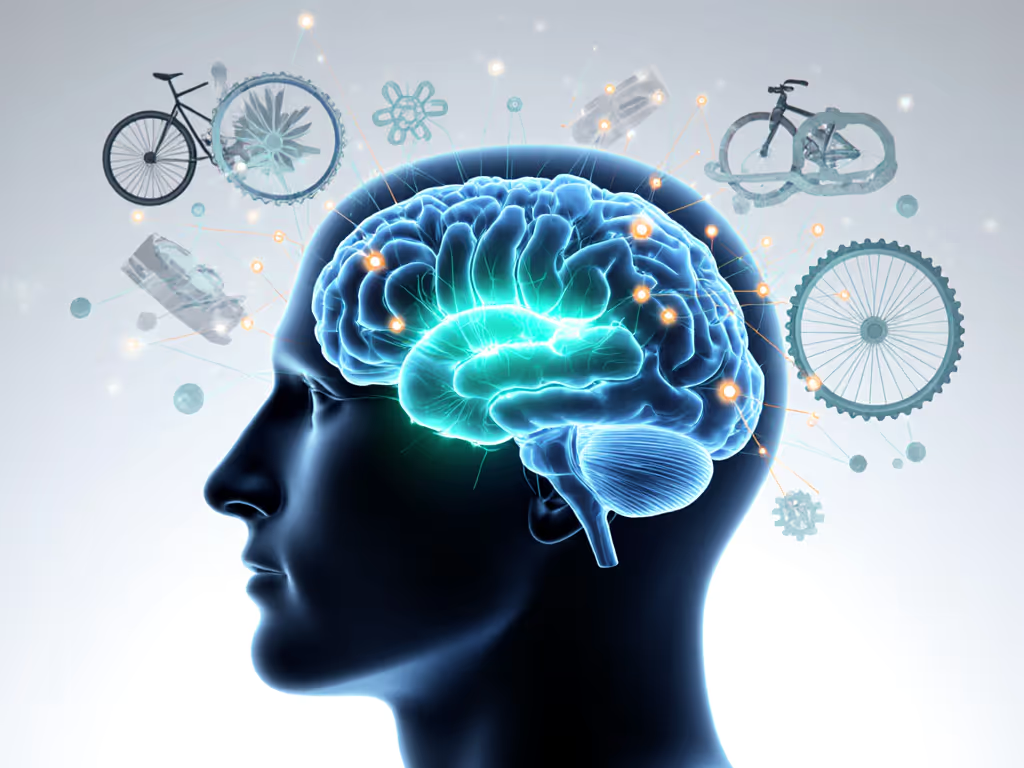
Researchers observed cyclists retained more hippocampal volume (the brain's memory hub that shrinks early in dementia). As neurologist Dr. Peter Gliebus noted: "This highlights how accessible lifestyle changes impact cognitive health." Translation: Your daily 30-minute session on a quiet bike isn't just exercise. It's neural upkeep. If you ride in a shared space, use our quiet home bike setup to minimize noise and vibration.
Why "Quiet Consistency" Beats Intensity
Neuroscience confirms what I see coaching riders: cycling for mental clarity happens through routine, not rarity. One participant in the CycleBOOM study improved executive function (planning, focus) simply by cycling 3x weekly for 30 minutes (no sprints, no apps).
Yet most quit because setup feels overwhelming. They buy flashy bikes with mandatory subscriptions, only to stall when the noise wakes neighbors or apps glitch. Want motivation and community without fees? Check our no-subscription bikes with open community picks. I trained one neighbor who'd failed for years this way. We ditched the bundled screen, paired his humble tablet with free apps, leveled his bike on rubber pucks, and set three default workouts. Four weeks later, his streak was intact. He bought pedals, not another subscription.
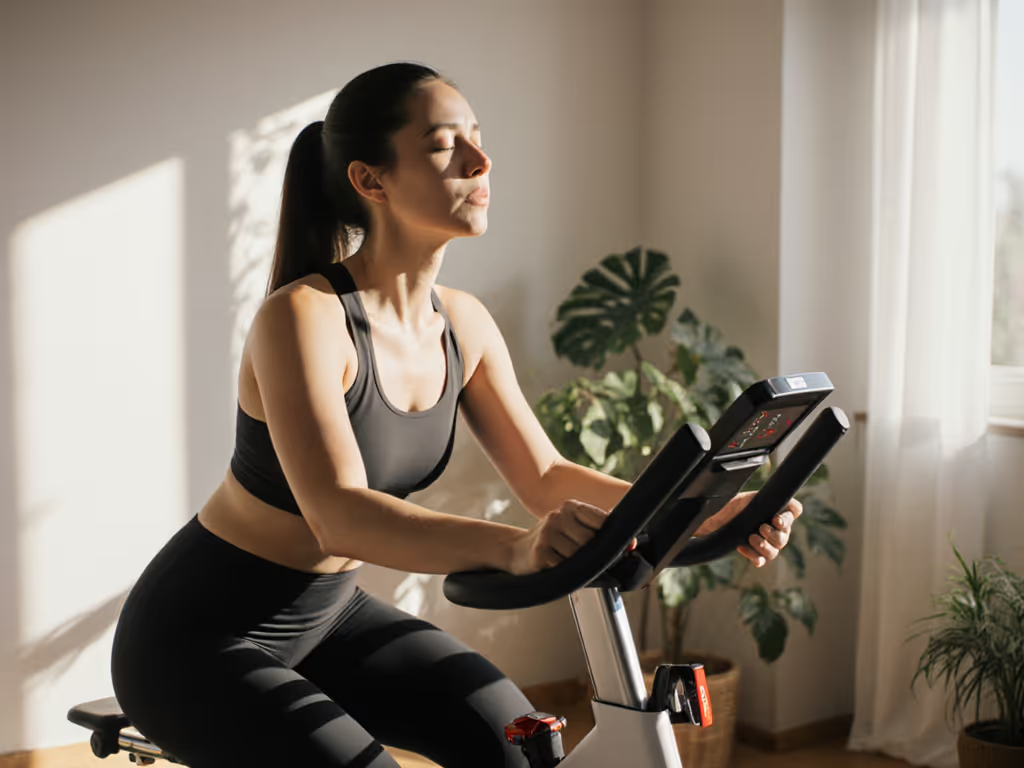
Here's the truth neuroscience backs: A 20-minute ride done quietly in your apartment every Tuesday and Thursday does more for brain health than one heroic weekend session. Because defaults beat willpower. When friction vanishes, consistency follows.
Your Simple Brain-Boosting Routine
Forget complex protocols. Based on studies measuring BDNF spikes and cognitive gains, prioritize these:
- Frequency over duration: 20-30 minutes, 3x weekly (studies show this optimizes BDNF release)
- Quiet consistency: Early-morning or late-night rides only work if your bike won't disturb others. Test decibel levels against a whisper (30 dB). Rubber mats and direct-drive trainers help.
- Zero-decision starts: Pick one free app (like Zwift's free tier or Rouvy's local rides). Save it as your home screen shortcut. No browsing.
- Post-ride ritual: Walk outside for 5 minutes after riding. Research shows combining indoor exercise with brief outdoor time maximizes attention restoration.
Neurologically, this routine builds what researchers call "habit loops," where the trigger (e.g., your coffee cup), action (riding), and reward (clearer focus) become automatic. No motivation needed. For a ready-made schedule, follow our 30-day exercise bike plan.
The Real Winning Move
The most profound brain-derived neurotrophic factor (BDNF) and exercise research points to one habit: sticking with it. High-tech bikes won't save you if noise complaints kill your streak. Fancy apps won't help if logins frustrate you at 6 a.m.
Your quiet, app-agnostic setup, where you ride without decisions, drama, or disturbances, is where neuroscience meets real life. It's how small, sustainable efforts compound into sharper thinking today and resilient brain health decades from now.
So start where you are. Use what you have. Be quiet. Build the habit. Your brain's future self will thank you. To amplify mood and focus, layer techniques from our mindful stationary cycling guide.
Defaults beat willpower.
Further Exploration Curious how to tailor this for your living space? I've mapped quiet-bike setups for apartments (under 45 dB), noise-tested rubber mats, and free app workflows that protect your focus. Explore the quiet rider's toolkit. No email required.
Related Articles