Cycling for Body Composition: Timing Strength Training Right
By Diego Santos • 11th Dec
You've probably heard cycling reshapes your physique, but few talk about how to integrate strength work for real body recomposition cycling. Let's cut through the noise: the magic happens when you strategically pair your cycling and strength training with your natural rhythms. Forget extreme diets or racing plans, I've helped dozens build quiet, sustainable routines in tight spaces that deliver consistent results. When setup friction disappears, transformation follows.
What Exactly Is Body Recomposition Cycling?
Body recomposition cycling means simultaneously losing fat while gaining muscle. This isn't just weight loss, it's reshaping your physique. Cycling alone builds leg strength and burns fat, but adding strategic strength work turbocharges results.
Research shows adult women lost 3.6% of fat mass in just six weeks of high-intensity cycling three times weekly. Men and women alike added 5% size to their quads with just four minutes of sprint work (four 20-second sprints) three times a week. But here is what often gets overlooked: those same studies found combining cycling with strength training maximized benefits. Competitive cyclists who added resistance work maintained better bone density while improving body composition.
Your body needs both stimuli: cardio for metabolic conditioning, strength for muscle preservation. Pairing your sessions with smart fueling helps accelerate recomposition—see our cycling nutrition timing guide for what to eat and when. Cycling for body composition works best when you treat strength sessions as non-negotiable appointments (not afterthoughts).
Should I Do Strength Training Before or After Cycling?
Defaults beat willpower. Design your routine so the right choice is the easiest choice.
This depends on your primary goal:
-
For fat loss focus: Do strength first, then cycle. Lifting depletes glycogen stores, priming your body to burn fat during the cardio session. A University of New South Wales study found this sequence boosted fat oxidation by 25% compared to reverse order.
-
For muscle preservation: Cycle first, then strength. High-intensity cycling (like those 20-second sprints) prepares muscles for heavy lifting. But keep cycling sessions under 30 minutes to avoid fatigue compromising your lifting form.
Most of my clients in apartment buildings find evening strength sessions after work most sustainable. They will do 20 minutes of cycling (just enough to warm up), then 30 minutes of full-body strength. The dual workout takes 50 minutes total, less time than many people commute. I trained a neighbor who had stalled for years until we ditched complicated scheduling. Three default workouts, no decisions. Four quiet weeks later, streak intact. If you want a plug-and-play structure, follow our 30-day exercise bike plan that builds consistency without noise or long sessions.
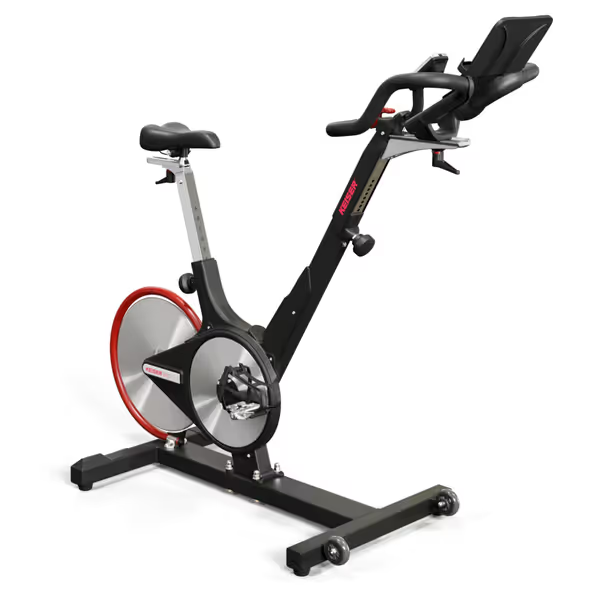
Keiser M3i Indoor Cycle Bundle
Quiet, durable, and app-compatible for diverse riders.
$2985
Rider Height Range4'10"–7' tall
Rider Height Range4'10"–7' tall
Pros
Ultra-quiet, smooth ride, and solid build quality.
Wide adjustability accommodates most users comfortably.
Made in USA ensures high quality control.
Cons
Premium price point may be a barrier for some.
Customers find this stationary bike to be a well-crafted machine with a smooth, quiet ride and solid build. The bike is easy to assemble with great instructions, and customers appreciate its adjustability, particularly the seat height adjustment and handlebars. They consider it worth the price and praise its beautiful design.
Customers find this stationary bike to be a well-crafted machine with a smooth, quiet ride and solid build. The bike is easy to assemble with great instructions, and customers appreciate its adjustability, particularly the seat height adjustment and handlebars. They consider it worth the price and praise its beautiful design.
Does Time of Day Impact Cycling for Body Composition Results?
Research reveals surprising timing nuances:
-
For women: Morning cycling sessions specifically reduced abdominal fat and lowered blood pressure in clinical studies. Evening strength sessions boosted upper-body strength and served as effective stress relief.
-
For men: Both morning and evening cycling decreased total body fat, but evening sessions showed greater improvements in lowering systolic blood pressure.
Here's what matters more than clock time: consistency in your natural energy rhythm. Your body performs ~20% better in its peak window (usually late afternoon). But if you're a "morning lark" in a shared apartment, forcing evening rides might break your streak. One client with an infant started doing 15-minute strength circuits at 6 AM while her partner handled baby duty. Quiet, space-efficient, and stuck.
Rotate strength days across your natural energy peaks. If you're sharpest at 7 PM, do heavy lifts then. If mornings feel better for cardio, save strength for when your body cooperates. Your physiology matters more than rigid schedules.
How Can I Make This Work in a Tiny Space Without Disturbing Others?
This is where most plans fail: they do not account for real homes. You need a setup that works with your space constraints, not against them.
Consider these quiet-hour strategies:
-
The 10-minute rule: Start strength sessions with 10 minutes of cycling at low resistance. This warms muscles quietly (most magnetic bikes like the Keiser operate below 50 decibels) while signaling to housemates that "exercise time" has begun.
-
Stack strength exercises during cycling cooldowns. As resistance drops to recovery levels, add bodyweight moves: seated torso twists, plank variations, or resistance band pulls. No extra time needed.
-
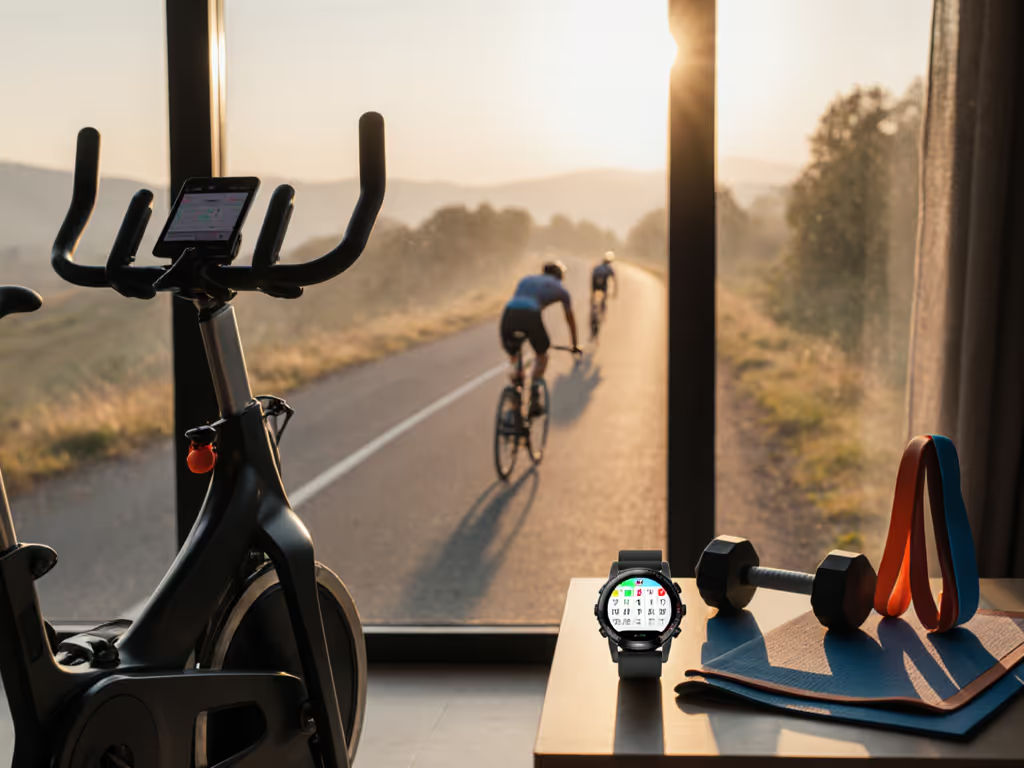
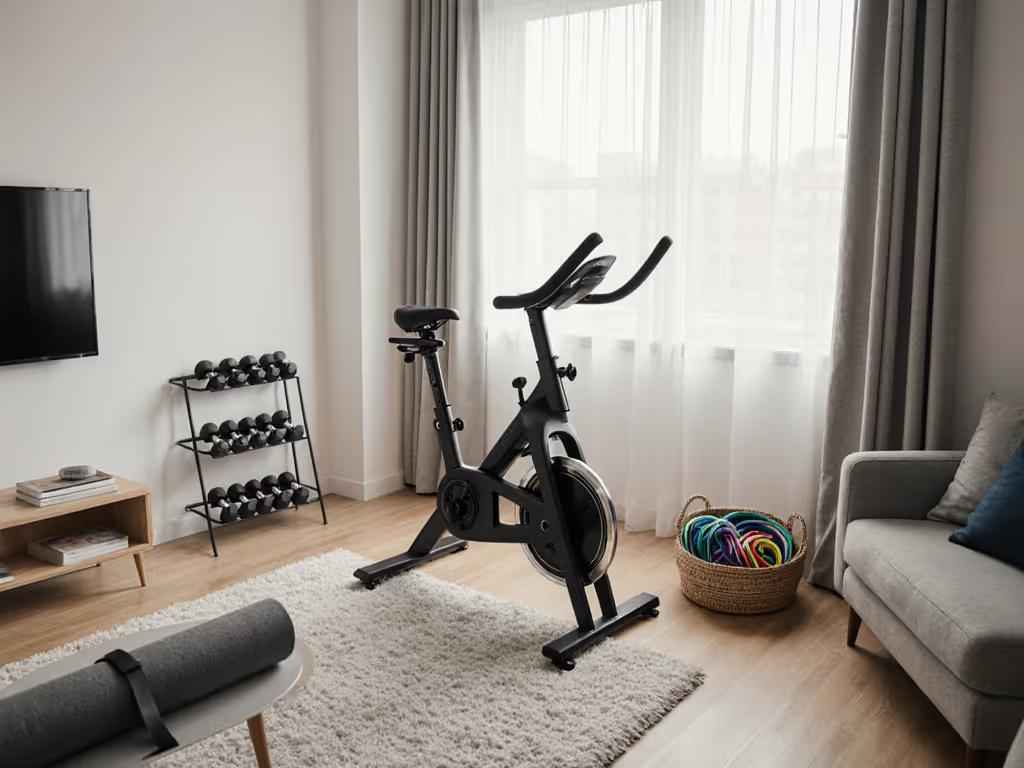
Create visual defaults: Place dumbbells directly beside your bike. When they're in your sightline during rides, grabbing them post-cycling becomes automatic. One client used this trick to add 12 strength sessions monthly without "finding" extra time.
What's the Minimum Effective Dose for Cycling Strength Training Integration?
You don't need heroic effort. Research on bicycle touring shows just seven days of consistent riding (even at low intensity) reduced fat mass while increasing lean mass (without changing diet). Translation: consistency matters more than duration.
The sweet spot for body recomposition cycling:
- 3 cycling sessions weekly: Mix one high-intensity (8-10 minute sprints), one endurance (45-60 minutes), one active recovery (20 minutes)
- 2 strength sessions weekly: Full-body circuits taking ≤30 minutes
- 1 rest day between strength sessions to allow muscle repair
Aim for 120 total minutes weekly (90 cycling, 30 strength). To use light cycling to bounce back between lifting days, follow our weightlifting recovery protocol for timing, cadence, and resistance. This fits most schedules, even those with kids waking at 5 AM. One person I worked with did 20-minute morning cycling sessions (while kids watched cartoons), then 15-minute strength sessions during lunch. No gym, no subscriptions. Just results.
How Do I Actually Stick With This Long-Term?
The most "perfect" program fails if you don't use it. Your routine must accommodate real life: noisy floors, shared spaces, fluctuating energy.
Start with these frictionless defaults:
- Set three identical workouts (no daily decisions)
- Schedule sessions at your natural energy peak (not someone else's)
- Keep equipment visible but unobtrusive (a single rack of resistance bands beside your bike)
I've seen clients maintain streaks for years by accepting "good enough" sessions. Some days it's 15 minutes of cycling. Some days, just the strength circuit. Momentum builds from compounding small wins (not perfection).
Start small, stay quiet, and compound the wins. When your routine respects your space and energy rhythms, your body composition transforms quietly, without disrupting the peace you've worked so hard to create.
Related Articles