Human-Powered Electricity: How Exercise Bikes Generate Energy
By Diego Santos • 3rd Feb
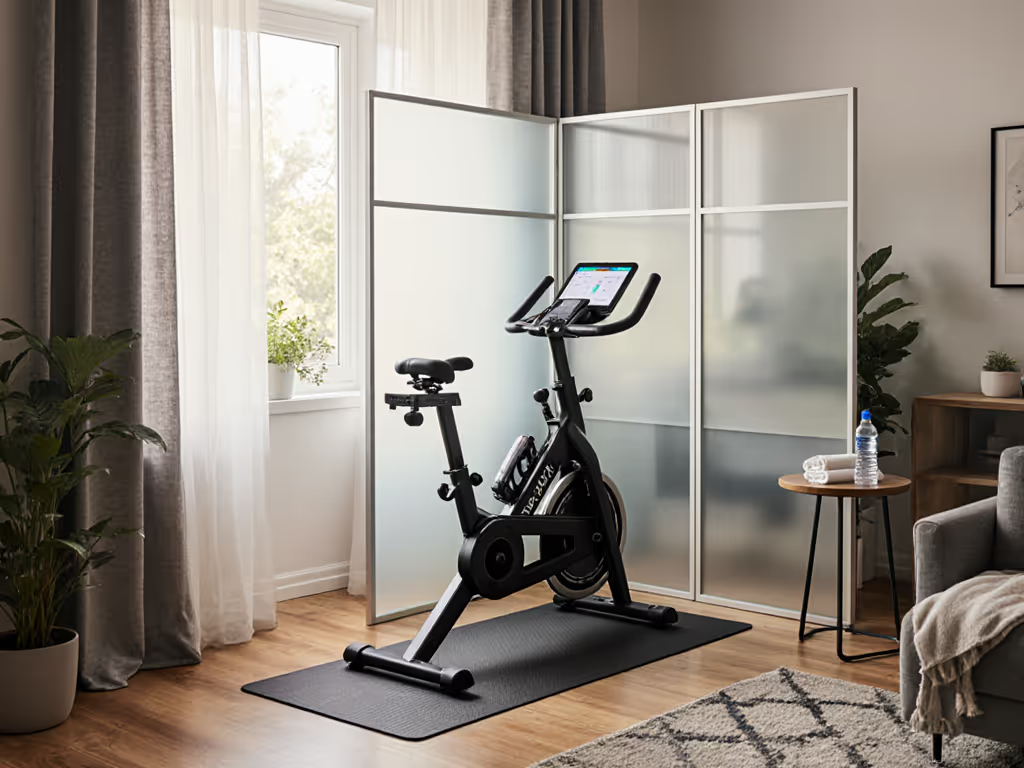
Human-powered electricity transforms your pedal strokes into clean, usable power. Modern exercise bike energy generation captures motion that once vanished as heat, turning sweaty effort into meaningful energy for your home. This isn't science fiction. It's frictionless sustainability for real homes. For apartment dwellers and eco-conscious riders, it's the quiet revolution that aligns with small-space living and smart energy habits.
As someone who helps urban riders build noise-friendly routines that last, I've seen how purpose-driven fitness sticks. A neighbor stalled for years until we stripped his setup to basics: a leveled bike on rubber pucks, a tablet with free apps, and three preset workouts. Four weeks later, his streak was intact (and he'd bought pedals, not subscriptions). If you want social motivation without fees, see how to build community without subscriptions. Defaults beat willpower when life gets busy. Start small, stay quiet, and compound the wins.
Frequently Asked Questions
How does exercise bike energy generation actually work?
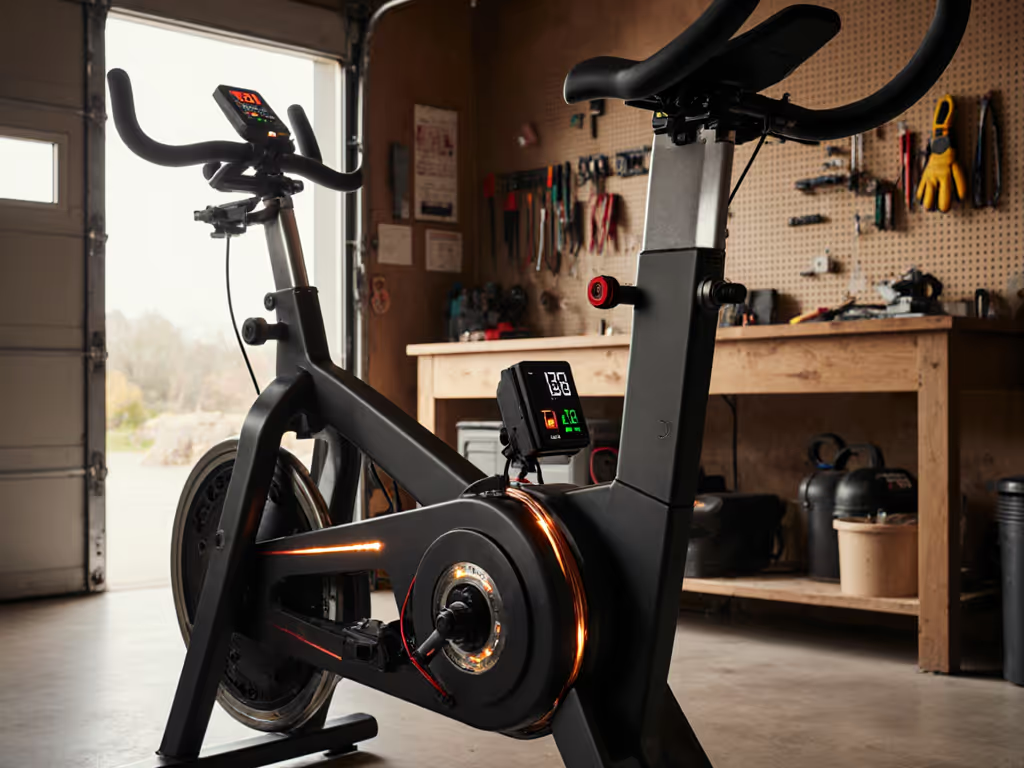
Your legs drive a flywheel. Magnets and copper coils inside the bike convert that rotational force into electricity through electromagnetic induction, exactly like commercial wind turbines, just human-scale. No magic. No extra effort. As you pedal, kinetic energy becomes electrical current. This bike electricity conversion happens silently beneath you, requiring zero changes to your ride. Curious how resistance systems differ? Read our magnetic vs friction resistance guide for a plain-English breakdown.
Most systems feed power directly into your home grid or store it in a small battery. Picture charging your phone mid-ride without plugging anything in. Certain models recapture up to 74% of your output (meaning 200 watts generated in an hour could power a laptop for four hours). That's energy recapture cycling made tangible.
What can I realistically power with a home workout?
Think practical, not visionary. One intense 45-minute session typically generates 150-300 watt-hours. That's enough to:
- Fully charge 3-5 smartphones
- Run LED lights for 5+ hours
- Power a laptop for 2-3 hours
- Offset your TV's energy use during Netflix cooldowns
Forget running refrigerators or heaters. These gains shine in sustainable workout power for small electronics, especially when paired with solar or stored for outages. The real win? Knowing your effort creates something measurable. No subscriptions. No guilt. Just clean energy quietly compounding, like your fitness.
Do I need special equipment or subscriptions to harness this?
No. Many modern bikes include this tech out of the box, feeding energy straight to your outlets without apps or fees. Look for systems with:
- Plug-and-play grid integration (no electrician needed)
- Physical dials showing real-time output
- Zero mandatory cloud connectivity
Avoid models requiring proprietary apps to activate energy features. That's vendor lock-in disguised as innovation. True green fitness technology works silently in the background, like your baseboard heater. Your power belongs to you, not a subscription.
Defaults beat willpower. Choose setups that work without prompting.
Will energy generation make my bike noisier or more complicated?
Not inherently. Quality systems add weight for stability but operate quieter than cheap magnetic-resistance bikes. The generator is sealed, no extra whirring, no maintenance beyond standard wiping. Vibration stays low when bikes sit on rubber mats (a must for apartment floors anyway). For a noise-optimized setup, use our quiet home bike setup guide.
Complexity only creeps in with poorly designed interfaces. If your console requires 12 taps to see output stats, skip it. Simplicity wins: a single LED strip showing watts generated lets you focus on cadence, not menus. This aligns perfectly with noise-friendly routines. Sustainable workout power shouldn't disrupt the baby's nap.
How does this support my goal of low-friction, consistent workouts?
Two words: tangible motivation. Seeing your output rise ("I powered two hours of family screen time!") creates instant positive reinforcement. No gamified badges. No leaderboard pressure. Just quiet pride that builds habit loops.
But the deeper magic? Systems requiring zero behavior change integrate seamlessly into existing routines. Your ride remains app-agnostic. Your data stays yours. No extra decisions at 6 AM. This exercise bike energy generation removes friction by adding meaning, not steps. It's why my neighbor kept riding: the bike worked with his life, not against it.
Is the environmental impact meaningful for one rider?
Individually? Modest. Collectively? Transformative. One hour of pedaling offsets roughly 0.2 kg of CO2, equivalent to boiling a kettle. But scale it: 20 riders in a community gym could power lighting for 3+ hours nightly. That's green fitness technology compounding community-wide.
For home users, the real impact is mindset shift. Tracking your output rewires how you view effort: "This isn't just cardio, it's active contribution." Over time, that subtle reframing builds the consistency that outlasts fitness fads. It's not about saving the grid. It's about saving your routine from boredom.
The Quiet Power of Simple Systems
Human-powered electricity works best when it disappears into your routine. You shouldn't need engineering skills to benefit. The most effective setups require no setup at all, just pedal as usual while your motion fuels small, meaningful wins.
This aligns with everything I teach: consistency beats complexity. Choose systems that prioritize silent operation, standard parts, and freedom from subscriptions. Let your bike's energy generation run quietly in the background while you focus on what matters, showing up, day after day.
Explore further: Research bikes with integrated grid-feedback tech (not just battery storage) for true home integration. Seek local energy co-ops, they often offer incentives for small-scale generators. Start with 10-minute test rides to gauge real-world output. Your quietest workout might just light up someone's tomorrow.
Related Articles