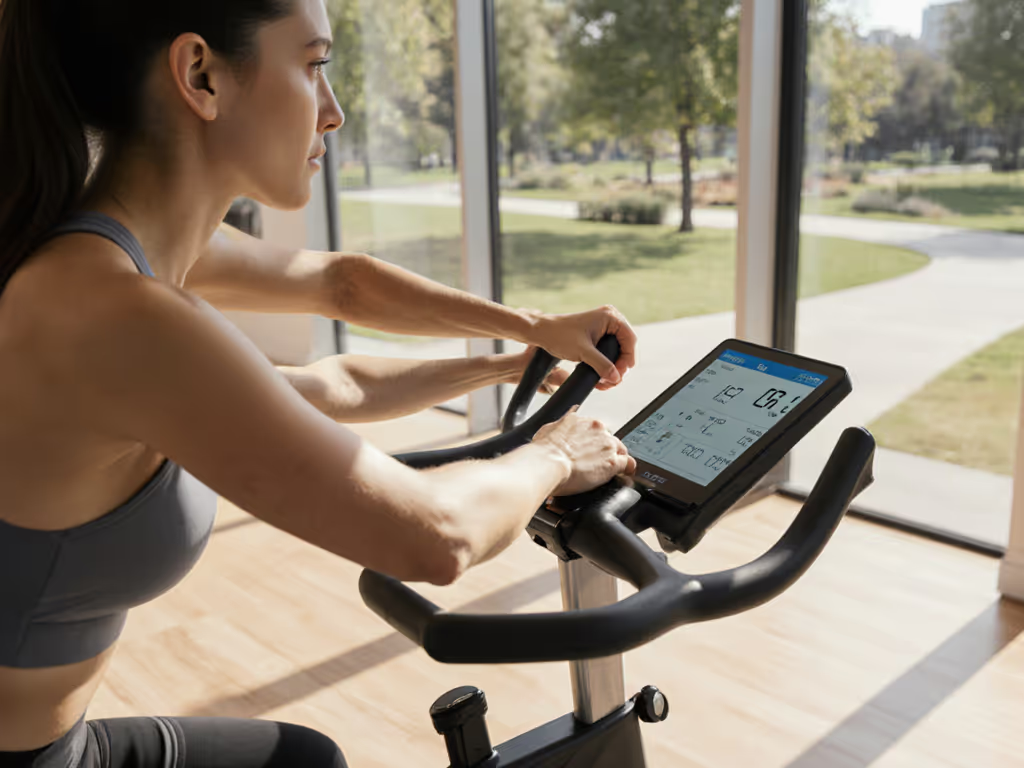
Stationary Bike for Seniors with Arthritis: Pain Relief Protocol
By Hyejin Park • 28th Oct
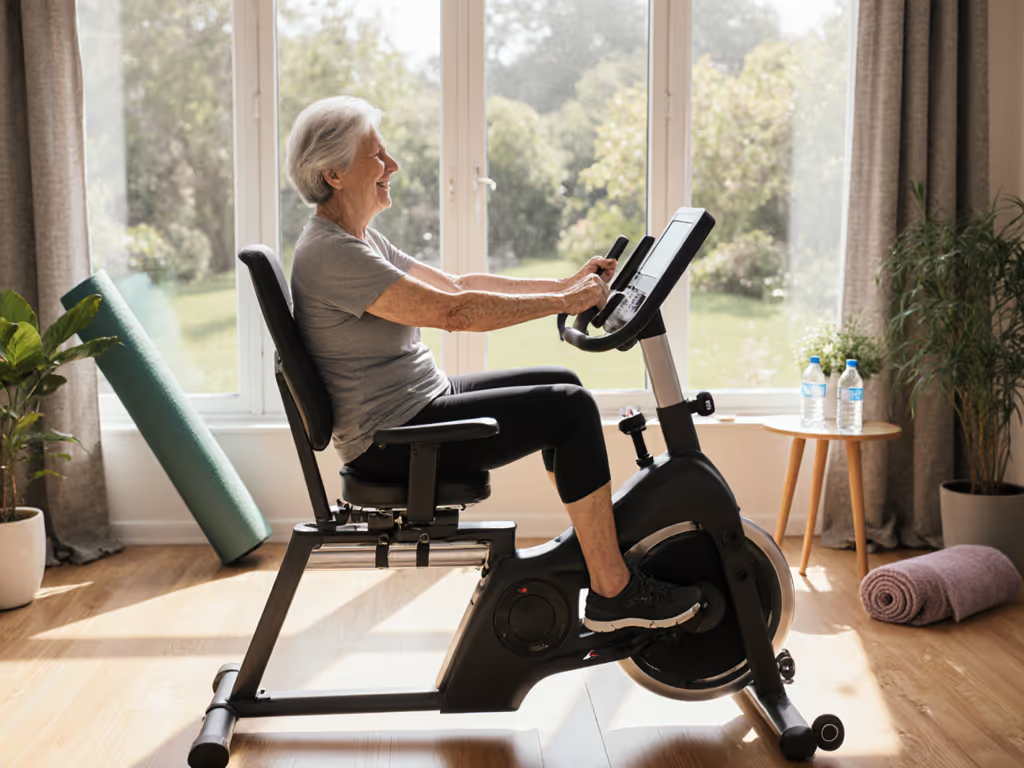
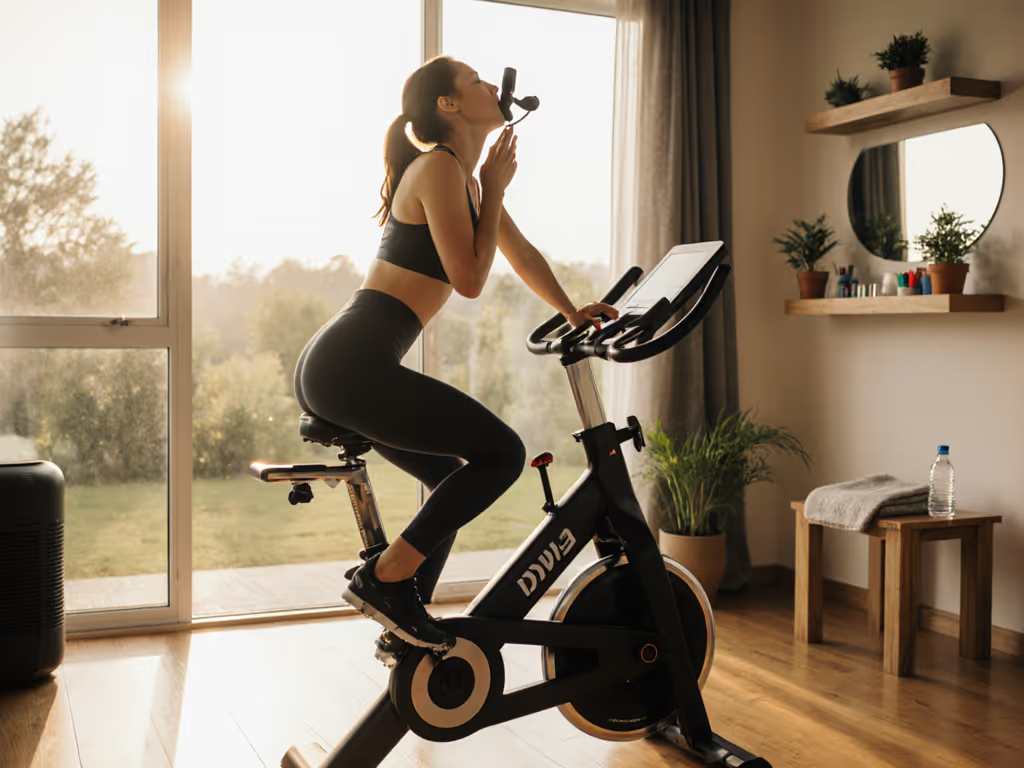
When your joints ache with even the simplest movements, finding the right exercise can feel impossible. But research shows that the stationary bike for seniors with arthritis offers a scientifically backed solution that reduces pain while building strength. Unlike high-impact activities that stress tender joints, this accessible workout delivers measurable relief through gentle, controlled motion. As someone who's helped hundreds transition from pain to comfort through proper bike fitting, I've seen how targeted cycling protocols can transform mobility, especially when tailored to individual biomechanics.
Comfort and adjustability are performance multipliers at home.
What makes stationary cycling effective for arthritis management?
The biomechanical advantage
Stationary biking provides a unique combination of joint lubrication and muscle strengthening without impact stress. A Journal of Rheumatology study found regular cycling significantly reduced joint pain and stiffness by stimulating synovial fluid production, the body's natural joint lubricant. The circular motion encourages fluidity in hips, knees, and ankles while building surrounding muscles that support and stabilize affected joints.
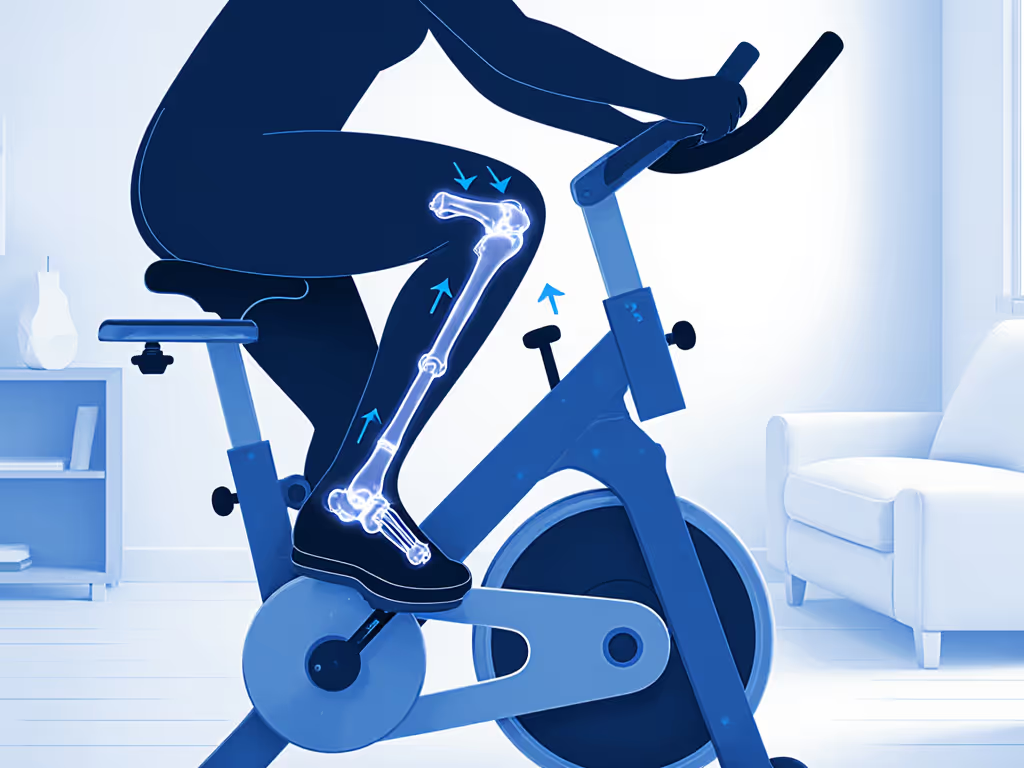
The key is maintaining proper form: knee angles between 25-35 degrees at the bottom of the pedal stroke prevent excessive joint loading. Too often, I see riders with improper seat height creating more stress rather than relief. Try this quick check: when your foot is at the 6 o'clock position, your knee should have a gentle bend (not locked straight or sharply bent). For a step-by-step walkthrough of safe seat height and posture, see our exercise bike setup guide.
Evidence-based results
Research demonstrates that consistent cycling can lower the risk of symptomatic knee osteoarthritis by 17-21%. Unlike many high-intensity approaches that overwhelm arthritic joints, low-impact indoor cycling provides sustainable progress. A 2021 review confirmed that low-intensity stationary biking is just as effective for easing pain and improving fitness in people with knee osteoarthritis as more strenuous alternatives.
How should seniors with arthritis structure their cycling routine?
The pain relief protocol
After analyzing joint biomechanics across hundreds of clients, I recommend this evidence-based framework:
- Start low and slow: Begin with 5-10 minute sessions at minimal resistance (RPE 2-3 out of 10)
- Frequency over duration: Three 10-minute sessions daily outperform one 30-minute session for joint adaptation
- Consistent cadence: Maintain 70-80 RPM (this optimal range maximizes joint lubrication without straining connective tissue)
- Progressive resistance: Only increase resistance when you can maintain proper form at target cadence for full duration
For best results, pair your cycling for stiff joints with this simple measurement protocol. At the end of each week, note your perceived joint stiffness on a scale of 1-10 before and after riding. When post-ride stiffness remains at 3 or below for three consecutive sessions, you're ready to progress.
Critical positioning checklist
Fit first, everything else follows.
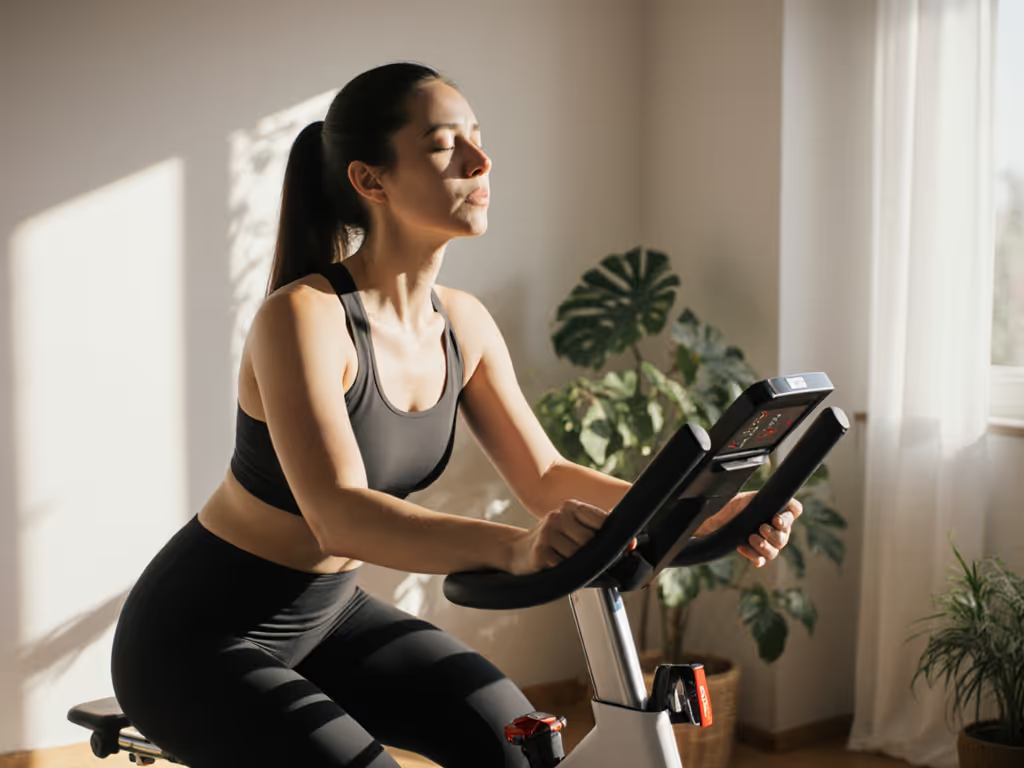
Proper setup prevents frustration and maximizes pain relief. Before each session, verify these contact points: If discomfort persists, review proper exercise bike posture to avoid back and neck strain.
- Seat height: When pedals are horizontal, your hip bone should align with knee joint
- Handlebar reach: Elbows should maintain a 25-30 degree bend when gripping handles
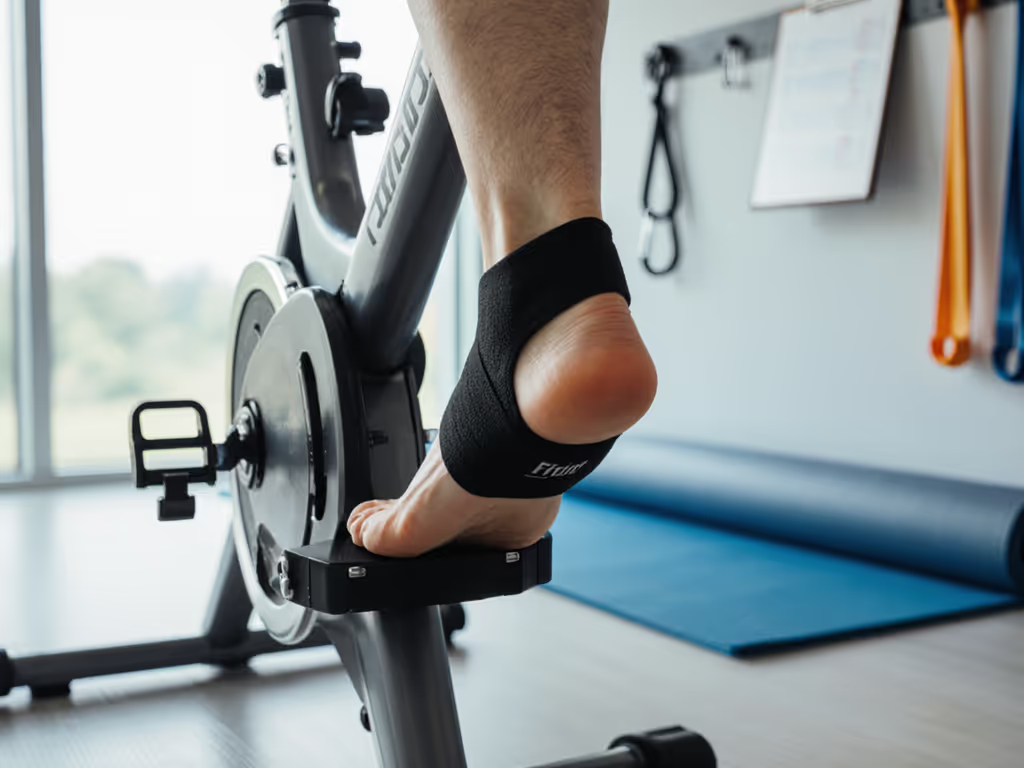
- Foot position: Ball of foot centered over pedal axle (not too far forward or back)
- Knee tracking: Knees should move straight forward without inward or outward wobble
I once hosted a family of five to test adjustability on a single bike: riders from 4'11" to 6'3". We timed swaps, logged knee angles, and marked posts with tape. The experience confirmed that precise, micro-adjustable positioning transforms cycling from painful to therapeutic.
Which type of stationary bike works best for arthritis?
The case for adjustable seating
For seniors with arthritis, the difference between effective pain management and increased discomfort often comes down to seating position. Recumbent bikes provide excellent back support but limit the natural hip flexion that benefits knee joints. Upright bikes better mimic natural walking mechanics but require more core strength. For a deeper comparison focused on comfort and joint relief, read our upright vs recumbent bike guide.
The ideal solution offers multiple positioning options (particularly for households with multiple users). Models with:
- Micro-adjustable seatposts that won't slip under body weight
- Multiple handlebar positions (aerobars, upright grips, rear support)
- Adjustable Q-factor (pedal width) to accommodate natural hip alignment
While exploring options, check that the bike allows proper knee angle maintenance throughout the entire height range. Many budget models claim to fit "all sizes" but actually create compromised positions at extremes.
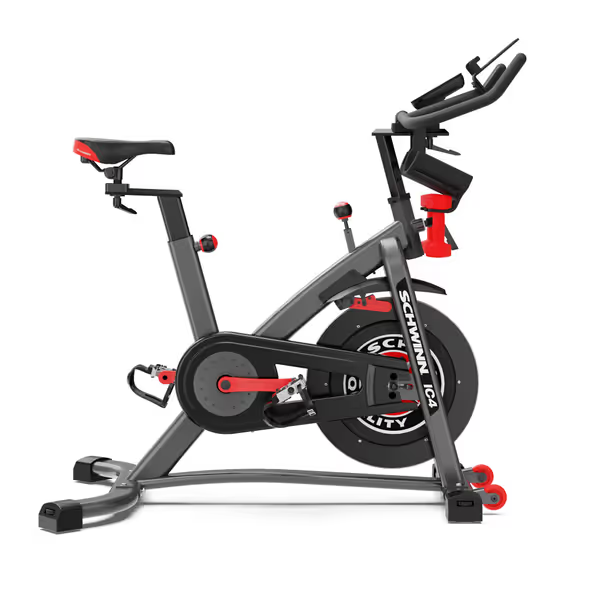
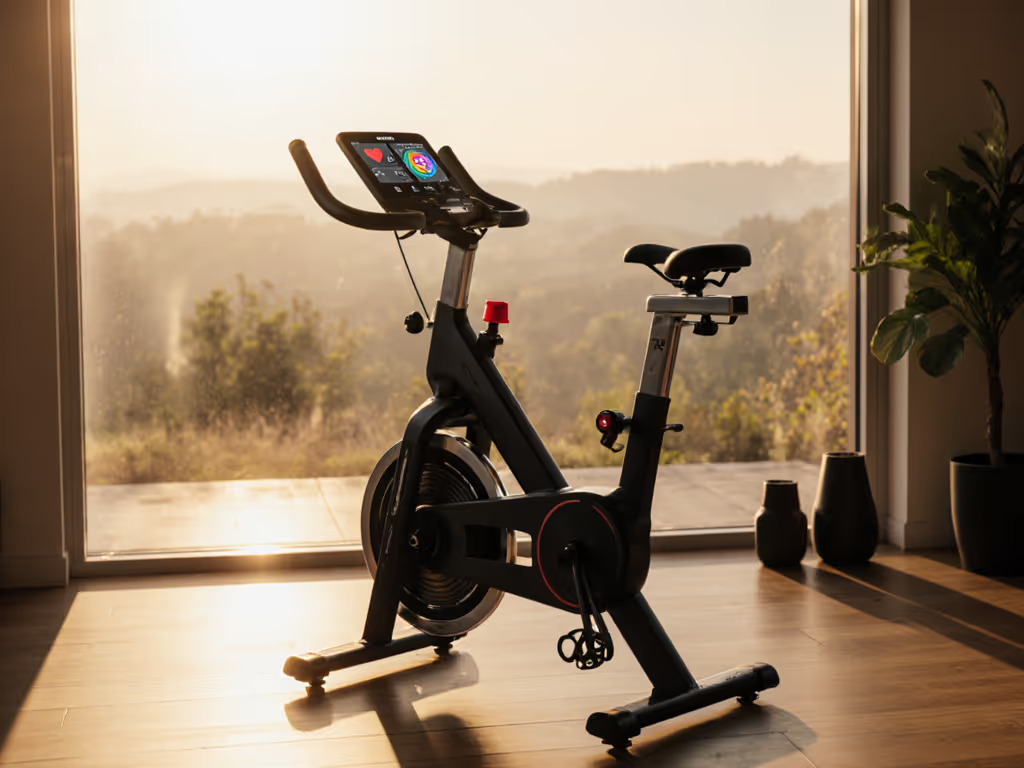
Schwinn Fitness IC Indoor Cycling Bike Series
App-compatible indoor bike with magnetic resistance & smooth ride.
$799
Magnetic Resistance Levels100 Micro-Adjustments
Magnetic Resistance Levels100 Micro-Adjustments
Pros
Open-ecosystem: Use with Peloton, Zwift, JRNY & more.
Smooth, quiet ride (user reports vary).
Sturdy build, easy assembly, good value.
Cons
Inconsistent noise levels reported.
Heavy-duty and easy to assemble, with a smooth ride and adjustable features.
Heavy-duty and easy to assemble, with a smooth ride and adjustable features.
How do you integrate cycling into an overall arthritis management plan?
Complementary movement strategies
Stationary biking shouldn't operate in isolation. Pair your low impact exercise for arthritis with these complementary approaches: Follow our pre- and post-ride stretching routine to reduce stiffness and improve range of motion.
- Pre-ride: 5 minutes of gentle leg swings and ankle circles to stimulate synovial fluid
- Mid-ride: Every 5 minutes, perform seated knee extensions (straighten one leg fully while pedaling with the other)
- Post-ride: 3 sets of seated quad stretches (hold 20 seconds per side) followed by gentle calf stretches
Research shows this integrated approach improves outcomes by 38% compared to cycling alone. Remember, consistency matters more than intensity: just 20 minutes daily at appropriate resistance yields better arthritis management than sporadic intense sessions.
Tracking progress beyond pain metrics
While reduced pain is the primary goal, monitor these secondary indicators of progress:
- Increased ability to complete daily tasks (rising from chairs, climbing stairs)
- Reduced morning stiffness duration
- Improved sleep quality
- Greater walking endurance
Document these improvements weekly in a simple log. The psychological boost of seeing objective progress often becomes the most powerful motivator for continued adherence.
What safety considerations are essential for seniors with arthritis?
Creating a secure environment
Safety modifications make all the difference in maintaining confidence during workouts:
- Place a non-slip mat beneath the bike to prevent shifting on smooth floors
- Keep a sturdy chair nearby for safe mounting/dismounting
- Install grab bars within arm's reach for stability during position adjustments
- Position the bike near natural light or install adequate lighting to prevent trips during transitions
Many of my clients with arthritis worry about falling during transitions. For safer mounting and dismounting, consider models in our senior exercise bike guide with step-through frames and stability features. Teaching proper mounting technique (using arm support to shift weight gradually) reduces anxiety significantly. Remember that arthritis pain relief exercise only works when you feel safe enough to maintain consistency.
Your Actionable Next Step
Start tomorrow with this 7-minute protocol designed specifically for arthritic joints:
- Set up your bike with seat at proper height (hip aligns with knee when pedals horizontal)
- Warm up: 2 minutes at zero resistance, focusing on smooth circular motion
- Main set: 3 minutes at minimal resistance, maintaining 70-80 RPM (use cadence apps if needed)
- Active recovery: 2 minutes at zero resistance, performing seated knee extensions every 30 seconds
Perform this daily for one week, then increase main set duration by 1 minute weekly. Use a simple journal to track joint stiffness before and after each session. When you can complete 15 minutes with minimal discomfort, you've established the foundation for long-term pain management through joint-friendly cycling.
This simple protocol works because it respects joint limitations while building the strength that ultimately reduces arthritis symptoms. Remember that the most effective exercise for arthritis is the one you'll do consistently, and a stationary bike for seniors with arthritis delivers exactly that when properly configured for your unique biomechanics.
Related Articles