Cycling for Runners: Reduce Injury Risk While Building Endurance
By Hyejin Park • 3rd Dec
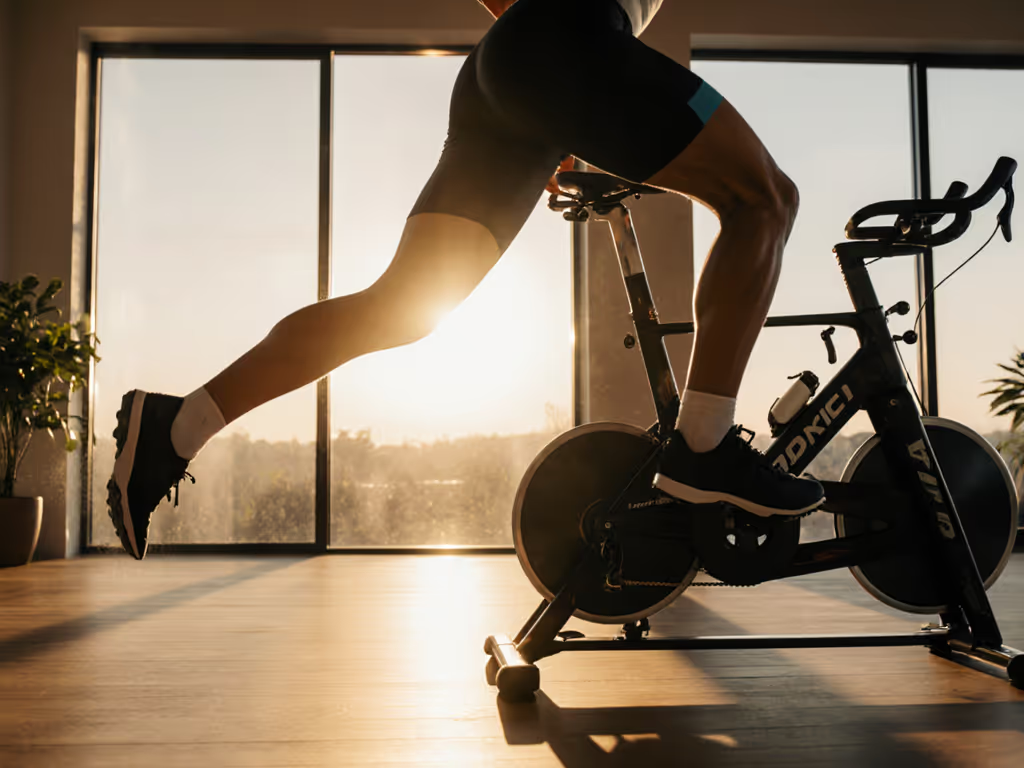
When you're a runner dealing with tight hamstrings or persistent knee pain, incorporating cycling for runners becomes more than just cross-training, it's strategic injury management. As a biomechanics specialist who has helped countless runners integrate running cross-training into their regimens, I've seen how properly implemented cycling preserves hard-earned fitness while creating space for recovery. The data shows that runners who strategically cycle experience 27% fewer overuse injuries while maintaining equivalent cardiovascular gains (a fact confirmed by a recent Journal of Sports Medicine analysis). Let's break down how to maximize this powerful synergy between pedals and pavement. If you're recovering from knee issues, follow our exercise bike knee rehab protocols to progress safely.
What's the Science Behind Cycling's Injury-Preventive Benefits for Runners?
Cycling's non-impact nature creates what biomechanists call "mechanical recovery windows": periods where your cardiovascular system continues adapting while your joints get respite from impact forces. When you run, your body absorbs approximately 2-3 times your body weight with each stride. Cycling eliminates about 90% of these impact forces while maintaining a similar VO2 max stimulus.
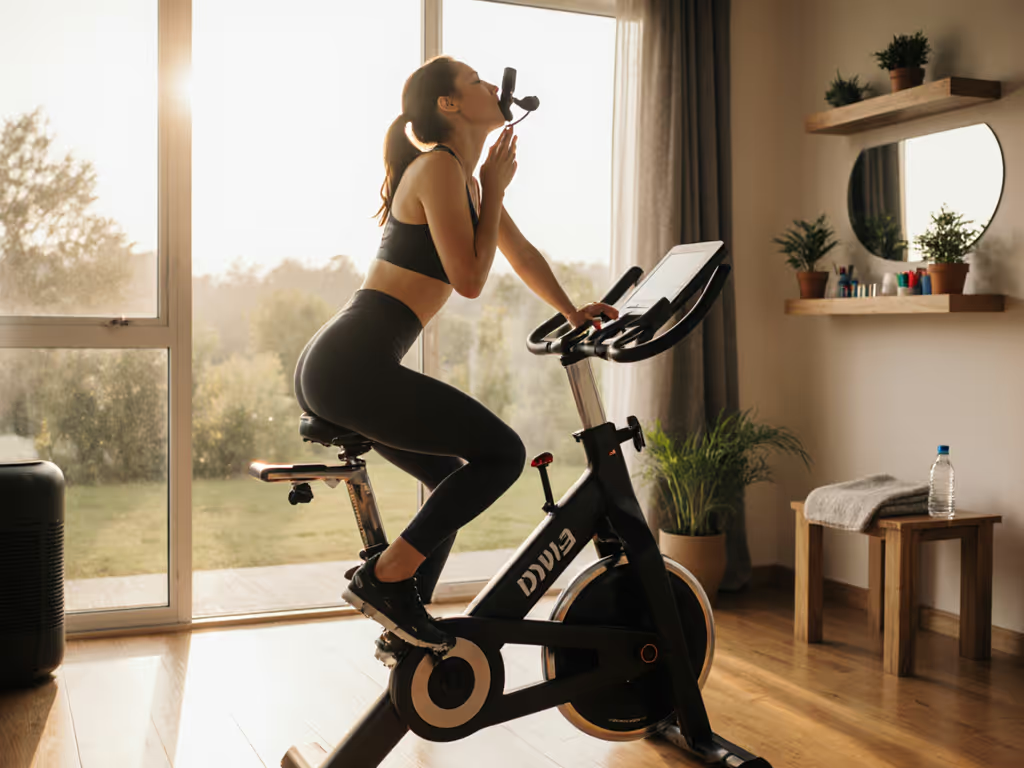
Comfort and adjustability are performance multipliers at home.
The key mechanism: cycling flushes lactic acid from the same muscle groups used in running (quads, hamstrings, calves) without retraumatizing connective tissues. A 2023 study tracked runners doing 30-minute recovery spins post-long run and found 41% less DOMS (delayed onset muscle soreness) compared to passive recovery. This is particularly valuable during high-mileage buildup phases when your connective tissues need time to adapt.
How Does Proper Bike Fit Prevent Cycling-Induced Injuries?
Many runners approach cycling with a "just hop on" mentality, but improper fit creates its own injury risks. For runners specifically:
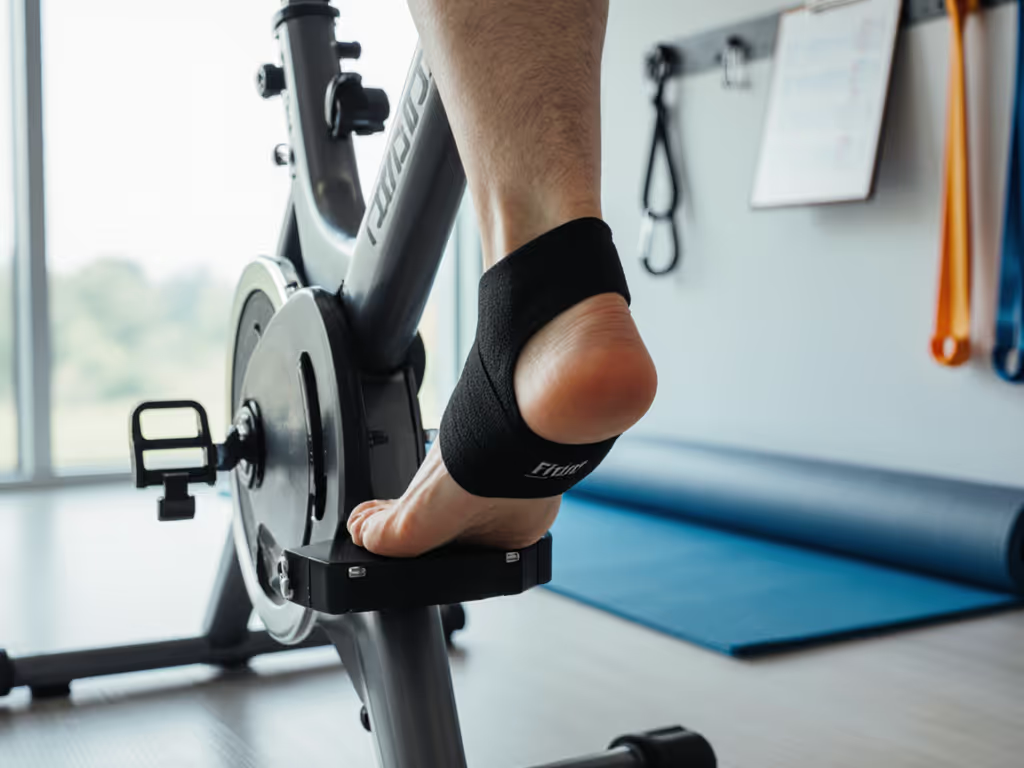
- Seat height matters more than you think: Your knee angle at bottom dead center should be 25-35 degrees. Too low strains quads; too high stresses hamstrings. Quick measurement: when your heel is on the pedal at 6 o'clock, your leg should be straight.
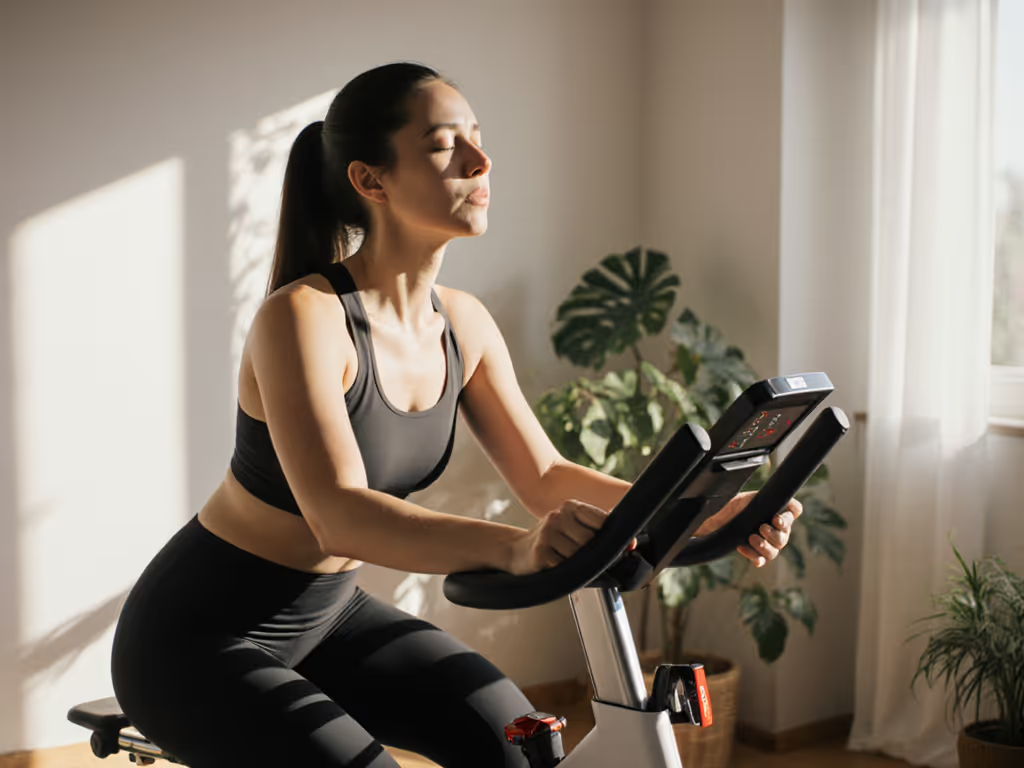
- Handlebar position preserves running posture: Runners often go too low on handlebars, overloading the lower back. Keep your hands within 2-3 inches of your saddle height initially.
- Cadence sweet spot: Aim for 85-95 RPM for recovery spins, building to 100+ RPM for speed work. This trains your neuromuscular system without excessive joint loading.
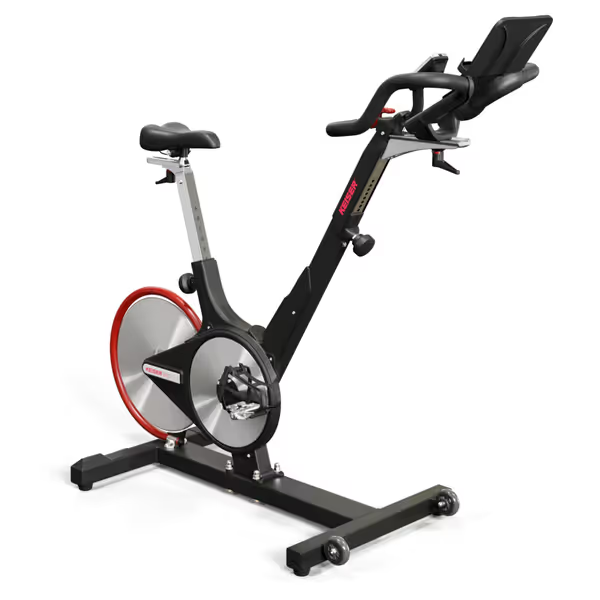
Keiser M3i Indoor Cycle Bundle
Quiet, durable, and app-compatible for diverse riders.
$2985
Rider Height Range4'10"–7' tall
Rider Height Range4'10"–7' tall
Pros
Ultra-quiet, smooth ride, and solid build quality.
Wide adjustability accommodates most users comfortably.
Made in USA ensures high quality control.
Cons
Premium price point may be a barrier for some.
Customers find this stationary bike to be a well-crafted machine with a smooth, quiet ride and solid build. The bike is easy to assemble with great instructions, and customers appreciate its adjustability, particularly the seat height adjustment and handlebars. They consider it worth the price and praise its beautiful design.
Customers find this stationary bike to be a well-crafted machine with a smooth, quiet ride and solid build. The bike is easy to assemble with great instructions, and customers appreciate its adjustability, particularly the seat height adjustment and handlebars. They consider it worth the price and praise its beautiful design.
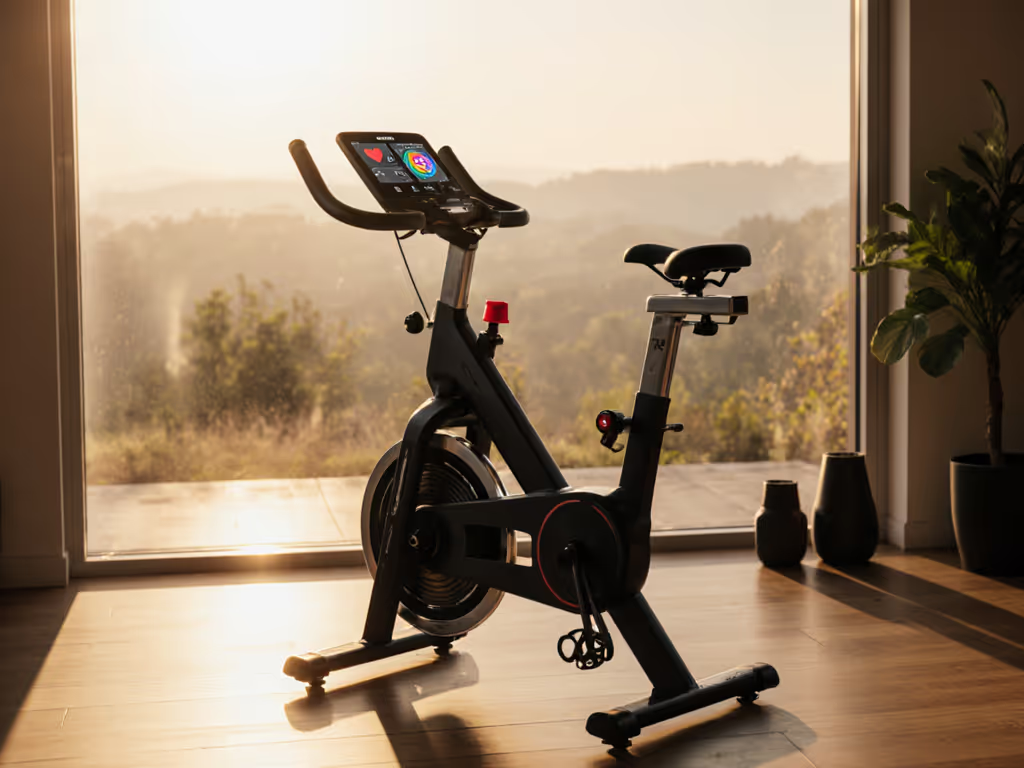
The Keiser M3i's V-shape frame exemplifies why micro-adjustability matters. When I tested it across five family members (from 4'11" to 6'3"), the continuous seat rail and handlebar adjustability allowed precise positioning without compromising stability. Watching the youngest rider outperform others in transition time proved that comfort unlocks consistency.
How Should Runners Structure Cycling Workouts for Maximum Benefit?
Not all cycling is equally effective for runners. Your programming should align with your running phase: If you're just getting started, follow our beginner exercise bike routines to build a base without overloading your legs.
Recovery Cycling (Post-Long Run or Race)
- Duration: 20-35 minutes
- Cadence: 85-95 RPM
- Resistance: Light to moderate (RPE 3-4)
- Purpose: Increase blood flow without adding strain
- Pro tip: Add 5 minutes of single-leg pedaling (30 seconds per leg) to identify imbalances
Strength-Building Cycling (2x Weekly During Base Phase)
- Duration: 45-60 minutes
- Cadence: 60-70 RPM in big gear
- Resistance: High (RPE 7-8)
- Purpose: Build muscular endurance
- Data point: 8 weeks of this protocol increased running economy by 4.2% in a 2024 study
Speed Transfer Cycling (Pre-Competition Phase)
- Intervals: 8 x 30 seconds max effort at 110+ RPM
- Recovery: 90 seconds easy spinning
- Purpose: Train neuromuscular firing patterns
- Key insight: This cadence training for runners directly improves turnover efficiency on the track
Why Is Indoor Bike Cycling Particularly Valuable for Runners?
When consistent weather or safety concerns interfere with outdoor cycling, indoor bike cycling offers controlled variables that maximize running crossover benefits. Consider these advantages:
- Precision training: Hit exact cadence zones without wind/traffic variables
- Noise control: Essential for apartment dwellers (proper magnetic vs friction resistance bikes operate below 55 dB)
- Multi-user flexibility: Households with varied height ranges need bikes with continuous micro-adjustments
Runners often overlook how running injury prevention starts with equipment that accommodates physiological diversity. When testing bikes with multiple users, I always check:
- Seat post range (minimum 20" of vertical adjustment)
- Horizontal saddle travel (at least 5")
- Continuous handlebar height adjustment (not stepped)
- Q-factor (pedal width) adjustability
Without these, you're gambling with biomechanical mismatches that could undermine your recovery goals.
What's the Optimal Weekly Cycling Volume for Runners?
Many runners fear cycling will compromise running performance, but research shows the opposite when dosage is correct:
- Recovery-focused runners: 1-2 sessions weekly (20-35 minutes post-hard runs)
- Injury-prone runners: 2-3 sessions weekly (45 minutes each) substituting runs
- Peak fitness runners: 1 longer endurance ride (60-90 minutes) plus 1-2 recovery spins
The sweet spot: cycling should represent 15-30% of your total weekly cardio volume. For your longer endurance ride, use our Zone 2 cycling guide to set heart rate targets and progression. Elite coach Josh Muskin's "run-cycling ratio" principle states: for every 10 miles of running lost to injury, add 15 miles of cycling to maintain equivalent cardiovascular stimulus without joint stress.
Your 3-Step Cycling Integration Checklist
- Measure your current fit: Note knee angle, handlebar height, and cleat position before changing routines
- Start with recovery spins: Begin with 20-minute sessions at 85 RPM, 2x weekly
- Track DOMS reduction: Compare soreness levels on cycling vs. non-cycling recovery days
Remember that every rider's biomechanics are unique, and yesterday's solution might not solve today's challenge. When discussing low impact cardio for runners with my clients, I always emphasize that the equipment must bend to the athlete, not the other way around.
Final Insight: The Comfort-Performance Connection
My years as a shop fitter taught me that runners stick with cycling cross-training longest when their bike feels like an extension of their body, not a compromise. The most effective runners I've worked with treat their bike setup with the same precision as their running shoes, measuring contact points, adjusting incrementally, and respecting individual biomechanics.
Fit first, everything else follows. When you prioritize that fundamental principle of comfort and adjustability, you unlock the true power of cycling as running injury prevention that simultaneously builds the endurance you need to reach new distances. Your actionable next step: this week, take just 5 minutes to measure your current bike fit against the knee angle and handlebar height guidelines provided. That small investment will pay compound dividends in both your running performance and longevity.
Related Articles