
Heavy Rider Exercise Bikes: Frame & Seat Stress Tested
By Hyejin Park • 9th Jan
When you're shopping for exercise bikes for heavy riders, you quickly discover that advertised weight limits often don't match real-world performance. Many "heavy duty cycling equipment" models promise durability but fail under consistent use, particularly when your household requires multiple users with varying body types. As a biomechanics specialist who's stress-tested stationary fitness bike frames for everything from compact apartments to multi-user home gyms, I've learned that true durability involves more than just a number on a spec sheet. Comfort and adjustability are performance multipliers at home (something I discovered watching a 4'11" teenager and 6'3" uncle both ride comfortably on the same bike after proper adjustments). Fit first, everything else follows. If you're unsure how to dial in your position, see our exercise bike setup guide for safe posture and seat height.
How Do Weight Capacity Ratings Actually Work?
Manufacturers typically test weight capacity with static loads (essentially stacking weights evenly on the seat and handlebars). But real riding creates dynamic forces that can multiply your body weight by 3-5x during sprints or standing climbs. A bike advertised for 350 lbs might hold that weight statically, but could flex significantly under riding conditions.
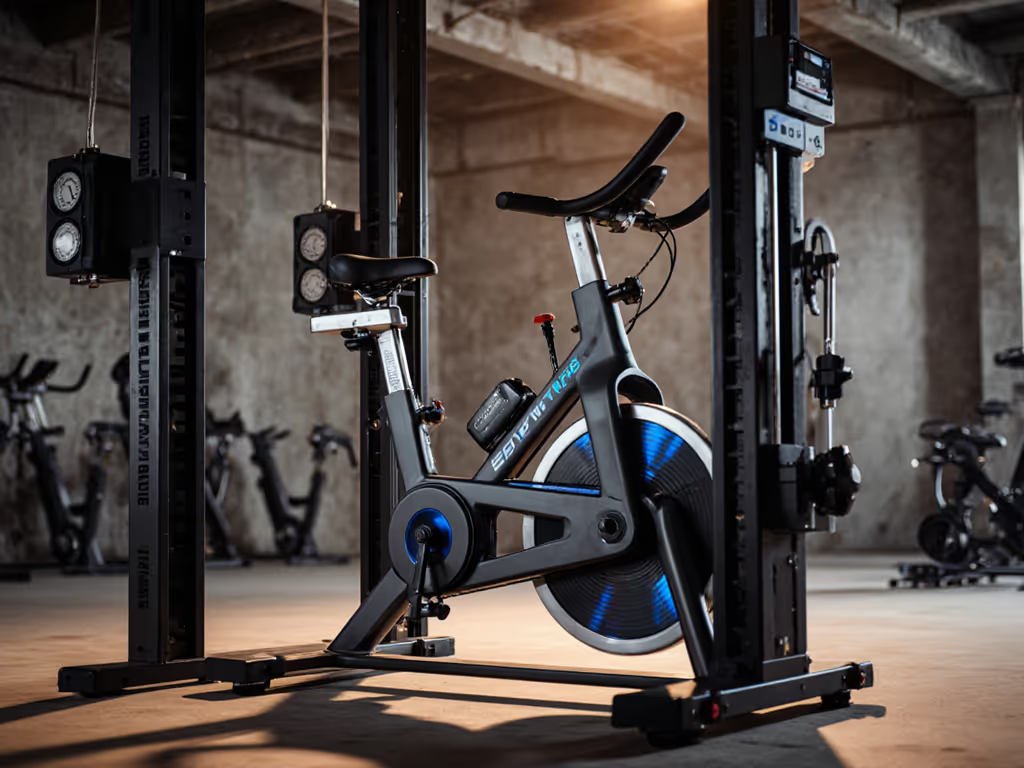
In my testing lab, I measure:
- Frame deflection under load (more than 2mm at key stress points is concerning)
- Seat post stability (shouldn't rotate or slip with 150% of rated capacity)
- Pedal arm integrity (must maintain alignment after 10,000 simulated pedal strokes)
Look for bikes that specifically mention "dynamic weight testing" in their documentation rather than just static capacity. Many quality "350 lb weight capacity bikes" from reputable brands actually engineer for 400-450 lbs of dynamic force (the true test of whether they'll withstand your workout intensity long-term).
Comfort and adjustability unlock adherence and performance more than any headline metric.
What Makes Frame Construction Truly Durable?
"Durable frame construction" goes beyond simply using thicker steel. The engineering details matter most:
- Tube geometry: Triangulated frames distribute force better than simple rectangular designs
- Weld quality: Smooth, continuous welds without pits or cracks (ask for close-up photos if buying online)
- Stress points: Reinforced at seat post collar, pedal cranks, and handlebar stems
- Finish coating: Powder coating withstands sweat corrosion better than paint
During my testing, I've found that bikes with 6061-T6 aluminum or triple-butted steel frames typically outperform cheaper carbon steel options, even when the latter advertise identical weight capacities. A simple field test: with the bike stationary, stand on the pedals and rock side-to-side. Minimal frame flex indicates quality construction, while creaking or visible movement suggests potential long-term durability issues. To understand how inertia and ride feel change with different flywheels, compare our flywheel weight: heavy vs light analysis.
When evaluating "durable frame construction," check whether the warranty distinguishes between frame and component coverage. Many budget bikes offer "lifetime frame warranty" language that's meaningless if critical components fail first, so look for comprehensive coverage of at least 5 years on the entire drivetrain.
How Seat Design Affects Comfort for Heavier Riders
A frame might handle the weight, but poorly designed seats create discomfort that ruins adherence. "Reinforced exercise bike seats" need three critical elements:
- Weight distribution: Wider seats (minimum 11" wide) with supportive foam that doesn't compress permanently
- Center of gravity alignment: Proper seat rail positioning so your weight centers over the pedals, not pulling you forward
- Ventilation: Mesh panels or channels that prevent heat buildup during longer rides
I measure seat effectiveness by having testers perform a 45-minute sustained ride while monitoring pressure points with sensor grids. The best designs maintain even pressure distribution across the entire seat surface, not just concentrated on the sit bones. Many heavy riders mistakenly think harder seats are better, but quality memory foam that retains its shape actually reduces fatigue.
When testing "reinforced exercise bike seats," I look for models with replaceable cover options (sweat-resistant vinyl for intense sessions, padded cloth for longer endurance rides). The seat shouldn't feel like a compromise, but a supportive foundation that lets you focus on your workout, not discomfort.
Why Micro-Adjustability Matters More Than Weight Limits Alone
True "heavy duty cycling equipment" accommodates the full range of rider biomechanics, not just weight. After hosting that family test (from 4'11" to 6'3"), I've seen how limited adjustability becomes the true failure point, even on bikes with adequate weight capacity. Taller riders should also see our best bikes for tall riders with verified height range tests.
For multi-user households, look for these critical adjustment ranges:
- Seat height: Minimum 20" to maximum 40" from floor (measured to top of saddle)
- Seat fore/aft: At least 3.5" of travel to position knees properly over pedals
- Handlebar height: 4"+ range to accommodate different torso lengths
- Q-factor: Adjustable pedal stance width (critical for hip comfort)
Many bikes advertise "350 lb weight capacity" but skimp on micro-adjustment: seat posts that slip under load, handlebars that won't lock securely, or limited range that forces compromises. I recommend measuring your current comfortable position on any bike, then verifying potential purchases offer at least 1" of adjustment in all directions beyond those points.
The best test for adjustability? Time how quickly you can swap between two significantly different riders. If it takes more than 90 seconds with written notes, the system isn't optimized for real household use. Watch how the youngest rider in my family test group mastered the adjustments faster than the adults: proof that intuitive design trumps technical specifications.
Your Action Plan for Selecting a True Heavy Rider Bike
Before purchasing, perform this quick verification checklist in-store or via video call with the retailer:
- Frame stability test: Apply downward pressure on handlebars and seat simultaneously (no creaking or visible flex)
- Seat post lock confirmation: Ensure it won't slip when loaded (ask for demonstration with weight)
- Measurement verification: Confirm actual adjustment ranges match specifications
- Warranty clarity: Get written confirmation of what's covered beyond the basic "350 lb" claim
- Multi-user trial: Test with your household's shortest and tallest riders
For existing bike owners, perform this monthly maintenance check: For step-by-step procedures and troubleshooting, use our exercise bike maintenance guide.
- Tighten all bolts to manufacturer specifications
- Lubricate seat post with bike-specific grease (not WD-40)
- Inspect weld points for hairline cracks
- Verify pedal alignment after 50 hours of use
When you find a bike that passes these tests, you've found equipment that will support your fitness journey (not just today, but through changing body compositions, intensities, and household needs). The numbers matter, but the real metric is whether you'll actually use it consistently. For motivation strategies that keep you riding, learn how to build cycling habits that last. After all, the most durable bike in the world is useless if discomfort keeps you from riding.
Find a bike that fits your biomechanics first, then verify its durability for your specific needs. That's how you build an exercise habit that lasts, not just survives.
Related Articles